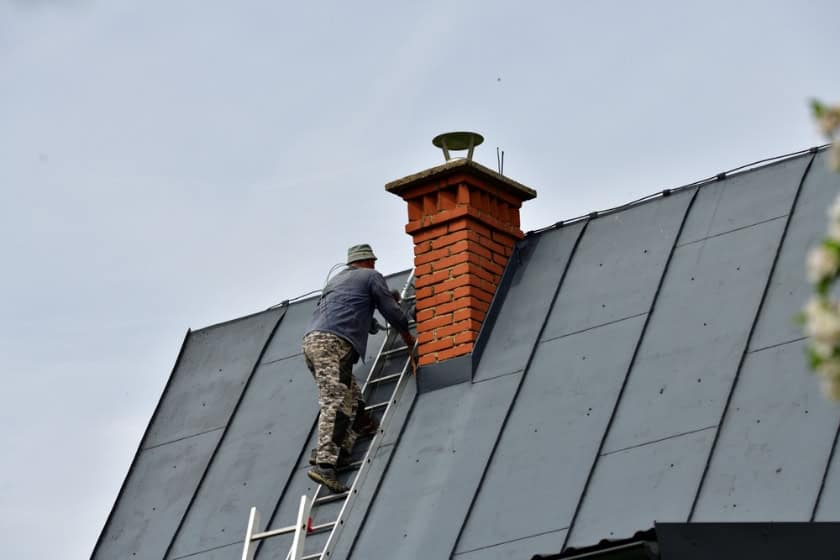
Summary:
Rhode Island’s weather patterns bring cold winters with significant snowfall and freeze-thaw cycles that place considerable stress on chimney structures. Moisture becomes your chimney’s worst enemy, especially when it comes as sleet and snow. Water gets into small cracks, freezes overnight, then expands with enough force to crack brick and mortar.
This isn’t just surface damage you can ignore. The result 100% of the time is the destruction of each affected brick, though the visual evidence may be gradual. What starts as hairline cracks in November becomes serious structural problems by February.
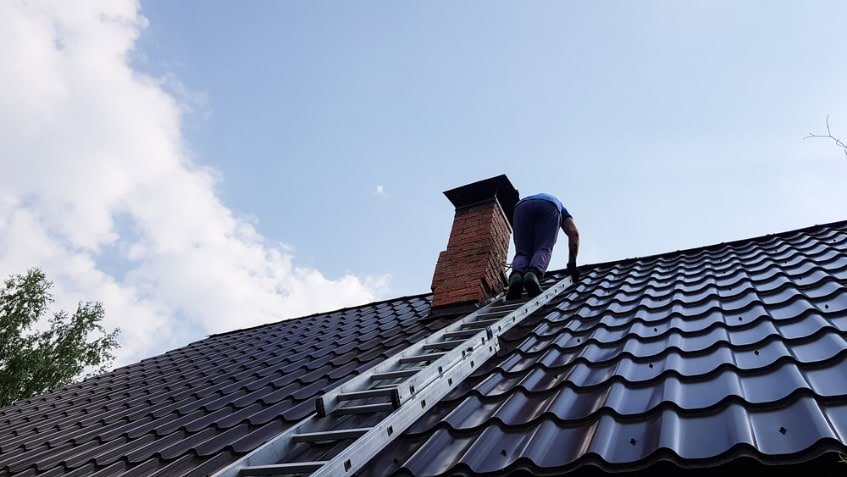
Here’s what happens to your chimney during a typical Jamestown winter. Moisture seeps into minor cracks, freezes, expands, and gradually breaks down bricks and mortar. Without routine checks and timely chimney repair, this weathering process leads to considerable damage. Each freeze-thaw cycle makes existing cracks slightly larger. More water gets in. The cycle accelerates.
All masonry chimney materials eventually deteriorate from prolonged water contact, but Rhode Island’s freeze-thaw cycle accelerates that process because when moisture within the masonry freezes, it expands and causes stress. Think of it like a slow-motion explosion happening in your chimney wall, night after night, all winter long.
Living in Jamestown adds another challenge. The coastal weather brings strong winds and salt air exposure. Salt air speeds up mortar deterioration, making your chimney even more vulnerable when winter hits. That small crack you noticed in fall? By spring, it could be a major repair job.
Once a chimney develops cracks in the crown or bricks and mortar, emergency chimney repairs become necessary. Otherwise, any precipitation will spread the damage throughout the chimney system. This is why some problems simply can’t wait for better weather.
It’s to any homeowner’s advantage to avoid a complete chimney masonry rebuild. Winter, summer, spring, or fall, emergency chimney repairs should be made without delay. But how do you know when a problem can’t wait until spring?
Water inside your house is the biggest red flag. Water stains on ceilings or walls near your chimney mean water is getting where it shouldn’t. Every freeze-thaw cycle makes this worse. You need to prevent water intrusion that can damage ceilings, walls, attics, and surrounding roof structures, and uphold the structural soundness of your chimney, avoiding potential leaning or collapsing.
Structural issues can’t wait either. Old or damaged chimneys cause more problems than many homeowners realize. Water leaks, crumbling mortar, or loose bricks lead to serious damage if not fixed quickly. Loose bricks don’t get tighter in winter weather. They get looser.
Safety trumps convenience every time. If your chimney isn’t drafting properly, if you smell smoke in your home, or if you notice white staining on your chimney exterior, these indicate problems that could lead to carbon monoxide issues or fire hazards. Professional evaluation becomes critical, regardless of the weather outside.
Want live answers?
Connect with a Certified Chimney Inspections expert for fast, friendly support.
In former days, making permanent masonry repairs in temps under 40°F wasn’t possible because the materials wouldn’t work in those conditions. Thanks to advances in masonry products, chimneys can be repaired in winter. The breakthrough came with masonry accelerators and specialized cold-weather techniques that we use as professional contractors.
Masonry accelerators help mortar set up faster, which is essential for winter work. These chemical additives speed up the curing process so mortar gains strength even when temperatures drop. But there’s a catch. Accelerators aren’t effective enough to be used alone, and must be used with other protective measures. Mortars mixed with accelerators still require additional protection against freezing temperatures.

Professional winter chimney repair involves much more than adding chemicals to mortar mix. Our typical winter repair starts with scaffold setup and demolition. Once damaged bricks are removed, we torch and heat new bricks until they’re hot to the touch. Mortar gets mixed using accelerators and warm water. If brick and mortar are hot, they’ll set up like it was a warm day. After laying brick, we joint and tool the masonry joints then torch the wall again before brushing.
This process demands significant expertise and specialized equipment. For mortar to properly cure, temperature cannot dip below 40°F. If it does, mortar must be properly heated, sheltered and protected, plus chemical additives get added to the mortar mixture. The heating process isn’t just about the mortar. Masonry units should be temperature conditioned to at least 40°F before installation.
Temporary enclosures must be erected to protect masonry against cold and wet weather. Even after masonry work is complete, the structure still requires adequate protection for at least 24 hours. Tarps, poly sheets and commercial electric blankets may be used. Additional heating systems may also be necessary to keep the structure warm.
This complexity explains why winter repairs cost more and require specialized contractors. The cost is higher, and masonry work is less durable when performed in temperatures below 40°F. It’s to the customer’s advantage to avoid chimney repairs in winter when possible. But when repairs can’t wait, proper technique makes all the difference.
Not every contractor can handle winter masonry work properly. It’s possible to conduct masonry repairs in winter, but skilled masons must apply specific techniques including choosing the right materials, heating materials, using admixtures and erecting full or partial enclosures. Even when all these measures are utilized, results may not match the quality of repairs conducted in ideal temperatures.
The science behind cold-weather masonry work is complex. When mortar is mixed with cold materials it reacts differently and develops different properties than mortar mixed at normal temperatures. Cold-weather mortar develops lower water content, higher air content and reduced strength compared to normal-temperature mortar. When prepared in cold weather, mortar should be mixed in smaller batches so it’s used before it cools below 60°F.
This is why you can’t just hire any contractor for winter chimney work. Masonry work isn’t a fan of cold temperatures and wet weather. While this makes working difficult, it doesn’t make it impossible – but only with the right knowledge and equipment.
Experience with local conditions matters tremendously. The freeze-thaw cycles that crack mortar joints, the moisture that finds its way into masonry, and the way historic New England chimneys require specialized knowledge that most contractors simply don’t have. Jamestown’s coastal environment adds salt air exposure to the mix, requiring contractors who understand how these factors interact with winter repair challenges.
Winter chimney repairs are only recommended in emergency situations, but when they’re necessary, the quality of workmanship makes the difference between a repair that lasts and one that fails by spring. Repairs done on masonry require time and warm, dry conditions to cure properly, and should only be done during warm, dry weather – not only for safety’s sake, but to allow materials to properly cure.
When emergency repairs can’t wait, masonry accelerators and professional cold-weather techniques enable quality work even in challenging conditions. The key is finding contractors with the specialized knowledge, proper equipment, and experience working in Rhode Island’s demanding climate.
For homeowners in Jamestown, RI facing winter chimney emergencies, we at Certified Chimney Inspections bring over two decades of experience working with New England’s demanding weather conditions. Our CSI-certified technicians understand both the science behind masonry accelerators and the practical challenges of winter repairs, ensuring your emergency repair protects your home through the rest of the heating season.
Continue learning: