Chimney Installation Services in Rhode Island

Chimney Installation Services in New England

From stove selection to final inspection, we install chimney systems the right way — built for Rhode Island’s winters, coastal air, and local building codes. We’ve been doing this across Providence County and the rest of Rhode Island since 2000, and we know what actually holds up here.

Every Technician CSIA Certified

In Business Since 2000

In-House Financing Available

Retail Stove Store On-Site

Residential Chimney Installation Rhode Island

Rhode Island Homes Deserve More Than a Quick Install

Rhode Island carries some of the most demanding conditions for chimney systems in the country. Coastal salt air accelerates corrosion on metal components. Freeze-thaw cycles crack masonry faster than in milder climates. And a large portion of the state’s housing stock — much of it built before modern chimney codes existed — was never designed to handle a high-efficiency wood, pellet, or gas stove without significant upgrades.

That’s the reality we work in every day. We’ve been doing chimney installation across Providence County and throughout Rhode Island since 2000, and we’ve seen what happens when someone cuts corners on liner sizing, skips the permit, or uses components that can’t hold up to a Rhode Island winter. The difference between a good installation and a bad one isn’t always visible on day one — but you’ll feel it within a few years.

We handle the entire process: assessing your existing chimney or planning a new system, selecting the right stove from our retail store, sizing the liner, pulling the necessary permits, completing the installation, and walking you through the final inspection. One team, one point of accountability.
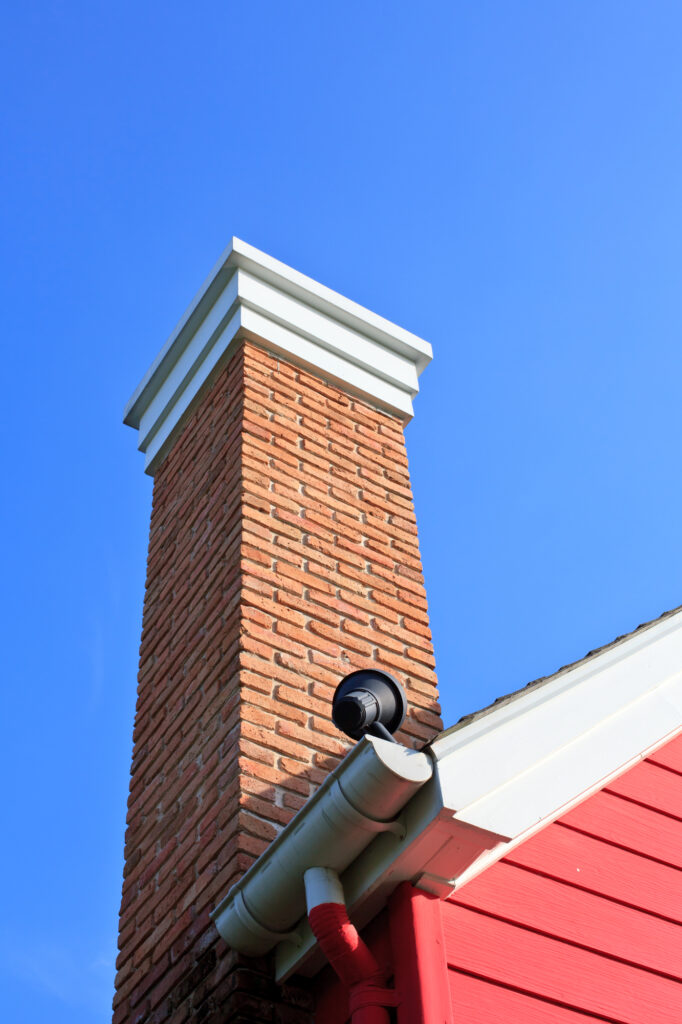
brick chimney high angle in Boston MA
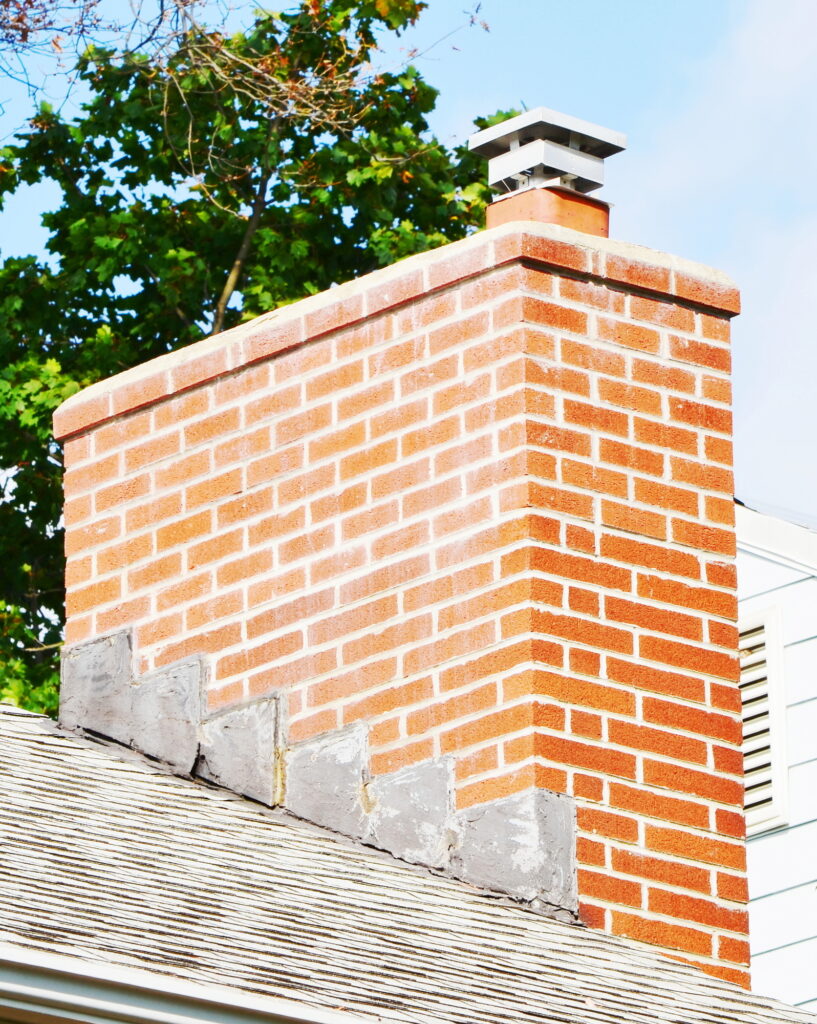
multi flue chimney inspections in Massachusetts

Licensed Chimney Contractor Rhode Island

Permits, Codes, and Why They Actually Matter in Rhode Island

Rhode Island requires permits for all chimney and stove installations, and every one of the state’s 39 municipalities operates under the Rhode Island State Building Code. That’s not a bureaucratic formality — it’s a real legal and insurance requirement.

Homeowners who skip the permit process can find themselves with a voided homeowner’s insurance policy, a failed home inspection during a future sale, or a costly redo when the work doesn’t meet code. We know the Rhode Island permitting process inside and out. We’ve been pulling permits in Providence County for over two decades, and we handle that piece of the project so you don’t have to figure it out yourself.

When the job is done, you’ll have documentation that the installation was completed correctly, inspected, and approved. That matters when you go to sell the home, file an insurance claim, or simply want to know the system is safe.

Professional Chimney Installation Benefits

What a Proper Installation Actually Gets You

When chimney installation is done right the first time, you stop worrying and start enjoying the warmth you paid for.

Chimney Installation Services Wood Pellet Gas

We Install All Three — and Help You Choose the Right One

Wood, pellet, and gas stove installations each come with different liner requirements, clearance standards, and venting configurations. Not every chimney company handles all three with equal depth — and some installers won’t tell you which option actually fits your home and lifestyle until after they’ve already sold you something.

Because we operate a retail stove store, we’ve worked hands-on with all three fuel types. We can walk you through the real differences — heat output, maintenance demands, fuel costs, installation complexity — before a single tool is picked up. If your existing chimney needs a liner upgrade to safely accommodate your chosen stove, we’ll tell you upfront and handle that as part of the project.

Many Rhode Island homes, particularly older properties in North Smithfield, Cumberland, Lincoln, and throughout Providence County, have original masonry chimneys that were built for open fireplaces. Installing a modern stove in those systems without the right liner and clearances isn’t just a code violation — it’s a fire risk. We assess the full picture before we start, and we install systems that are built to last.

Book Your Service with Ease

Need chimney or fireplace work? From cleanings to inspections and repairs, we’ve got you covered. Schedule your appointment online or get a free quote in just a few clicks.

Common questions about Chimney Installation Services

Yes — Rhode Island requires permits for all chimney and stove installations across all 39 municipalities in the state. Every community operates under the Rhode Island State Building Code, which governs chimney construction, liner installation, stove connections, and clearance requirements. Operating without a permit creates real exposure: your homeowner’s insurance policy may not cover a fire that originates from an unpermitted installation, and the work will likely need to be redone if it surfaces during a home sale. We handle the permitting process as part of every installation — you don’t need to navigate it yourself.
Installation costs vary significantly depending on what the project involves. A prefab chimney installation typically falls in the range of $3,000 to $4,500, while a custom masonry chimney can run from $5,000 to $10,000 or more depending on materials, height, and complexity. Premium designs and high-end stonework can exceed $15,000. Chimney service costs in Rhode Island and the broader Northeast generally run higher than the national average due to labor rates and the condition of older housing stock throughout the state. The most accurate way to understand what your specific project will cost is to schedule a free estimate — we’ll assess your home and give you a clear number before any work begins.
In most cases, no — and this is one of the most common misconceptions we run into. Most older Rhode Island homes have masonry chimneys that were originally designed for open fireplaces. The flue sizing, liner condition, and clearances required for a modern high-efficiency wood, pellet, or gas stove are different from what an open fireplace demands. Installing a stove into an existing system without the proper liner and clearances isn’t just a code violation — it creates a real risk of chimney fires and carbon monoxide exposure. We always start with a thorough assessment of your existing chimney before recommending any installation path.
CSIA stands for the Chimney Safety Institute of America, which has been the primary certification body for the chimney service industry since 1983. CSIA certification requires technicians to demonstrate knowledge of chimney construction, venting systems, fire safety standards, and installation codes — including the requirements set out in NFPA 211, the national standard for chimneys and fireplaces. When a company says its technicians are CSIA certified, it means they’ve been tested and credentialed by an independent organization, not just trained in-house. At Certified Chimney Inspections, every member of our team holds CSIA certification — not just the owner. That’s the standard we hold ourselves to on every job.
It matters more than most homeowners realize. Rhode Island’s coastal communities — from Barrington and Bristol along the East Bay to Narragansett, South Kingstown, and Westerly along the southern shore — expose chimneys to salt air that accelerates corrosion on metal components like caps, liners, and flashing. Inland Providence County communities face a different but equally demanding challenge: significant freeze-thaw cycling that infiltrates masonry cracks, expands during cold snaps, and accelerates structural deterioration over time. Both conditions shorten the lifespan of installations that weren’t designed with Rhode Island’s climate in mind. We account for these factors in every installation — from component selection to finishing details — so the system holds up for the long term.
The timeline depends on the scope of the project. A straightforward stove installation with liner work in an existing chimney can often be completed in a day or two once materials are confirmed and permits are in process. A full masonry chimney build or a more complex renovation involving structural work, custom liner sizing, and multiple inspection phases will take longer. The permitting process in Rhode Island municipalities adds time to any project, which is one reason it’s worth starting the conversation before you’re in a rush. We’ll give you a realistic timeline during your free estimate so you can plan accordingly — and we won’t give you an optimistic number just to get the job.
Need more information?