Summary:
You’ve got a chimney that’s been standing for years, maybe decades. It looks fine from the ground. But the biggest threats to your chimney’s safety and your family’s wellbeing are hiding where you can’t see them.
A certified chimney inspector isn’t just checking if your fireplace works. We’re looking for the specific issues that develop in New England’s climate, the problems that show up in homes throughout Providence County, Kent County, Bristol County, Newport County, and Washington County, and the hazards that insurance companies and real estate transactions require you to address. Whether you’re preparing for another harsh winter, buying or selling a home, or just want to know your family is safe, understanding what a certified inspector actually examines helps you make better decisions about your property.
Not everyone who claims to inspect chimneys has the training to spot what actually matters. CSIA certification means an inspector has passed rigorous testing on chimney systems, understands national fire safety standards, and knows how to identify hazards before they become emergencies.
When you hire a CSIA-certified inspector, you’re getting someone trained by the Chimney Safety Institute of America, the industry’s leading authority on chimney safety. These professionals understand the difference between cosmetic issues and actual safety hazards. We know what Rhode Island’s freeze-thaw cycles do to masonry, how salt air affects metal components, and which problems need immediate attention versus routine maintenance.
The certification represents hundreds of hours of education on chimney construction, venting systems, combustion science, and building codes. That expertise matters when you’re dealing with a home in Bristol County, RI, that might be 60 years old with a chimney system that’s seen thousands of heating cycles.
The first thing we examine is your chimney’s structural soundness, and this goes way beyond looking at bricks from the ground. In modern New England homes, even relatively newer construction faces accelerated wear from environmental factors that don’t exist in other parts of the country.
Rhode Island’s climate is particularly brutal on masonry. Water seeps into tiny cracks and pores in bricks and mortar. When temperatures drop below freezing, that water expands. The expansion puts tremendous pressure on the masonry from the inside, turning small cracks into larger ones with each winter cycle. What starts as a hairline fracture this year becomes a structural problem by next season.
We check for efflorescence, that white chalky residue on brick surfaces. It tells us water is moving through your masonry regularly enough to leave mineral deposits behind. In Rhode Island’s climate, this process accelerates during winter months when freeze-thaw cycles create additional stress on already compromised masonry. Homes throughout Washington County, RI, and Providence County, RI, show these patterns consistently.
We examine mortar joints carefully. Mortar typically lasts 25 to 30 years in ideal conditions, but New England weather accelerates deterioration. Crumbling mortar allows water to penetrate deeper into the masonry system, leading to interior damage, brick spalling, and potential structural instability. The freeze-thaw cycles common in our region accelerate this process dramatically, turning minor mortar issues into major structural problems within a single heating season.
The inspection includes checking for spalling, when bricks begin to crumble or break apart. Once spalling starts, it progresses quickly. Each winter makes it worse. Repairing spalling bricks typically costs between $1,000 and $3,000, but ignoring the problem leads to much more expensive structural repairs down the line.
Your chimney crown gets close attention too. This concrete cap at the top of your chimney is your first line of defense against water intrusion. Cracks in the crown allow water to enter the chimney system, and Rhode Island’s temperature swings make those cracks expand rapidly. A damaged crown can lead to extensive interior damage before you even notice water stains inside your home.
We also check the chimney’s vertical alignment and overall stability. Leaning chimneys indicate foundation problems or structural damage that requires immediate attention. We look for loose or missing bricks, deteriorated pointing, and any signs that the chimney structure is separating from the house. These structural issues are more common in older homes but can develop in any property that’s experienced significant weather exposure or foundation settling.
The flue liner is the barrier between dangerous combustion gases and your home’s structure. We use specialized equipment to examine areas you can’t see from your fireplace, and this is where CSIA training makes the biggest difference.
For Level 2 chimney inspections, which are required when buying or selling a home, we use high-definition video cameras to scan the entire length of your flue. This technology reveals cracks, gaps, or deterioration in the liner that could allow heat and gases to escape into surrounding walls. Without this video documentation, these hazards remain hidden until they cause serious problems.
Clay tile liners, common in older Rhode Island homes throughout Kent County, RI, and Newport County, RI, are particularly vulnerable to damage. The freeze-thaw cycles that affect exterior masonry also impact these interior tiles. We look for cracked tiles, missing sections, or tiles that have separated at the joints. Even small gaps can allow deadly carbon monoxide to seep into your living space instead of venting safely outside.
Metal liners face different challenges. Rhode Island’s coastal air and humid conditions accelerate corrosion. What starts as small rust spots quickly spreads, weakening the entire liner structure. The combination of salt air from the coast and acidic combustion gases creates rapid deterioration that surprises many homeowners. Stainless steel liners typically last 15 to 20 years in Rhode Island’s coastal climate, but proper maintenance extends that lifespan significantly.
Creosote buildup is another critical factor we assess. This highly flammable byproduct of burning wood accumulates on flue walls. When buildup reaches 1/8 inch thickness, it becomes a serious fire hazard. The Chimney Safety Institute of America recommends cleaning when creosote reaches this level, but we evaluate your specific usage patterns to determine the right maintenance schedule.
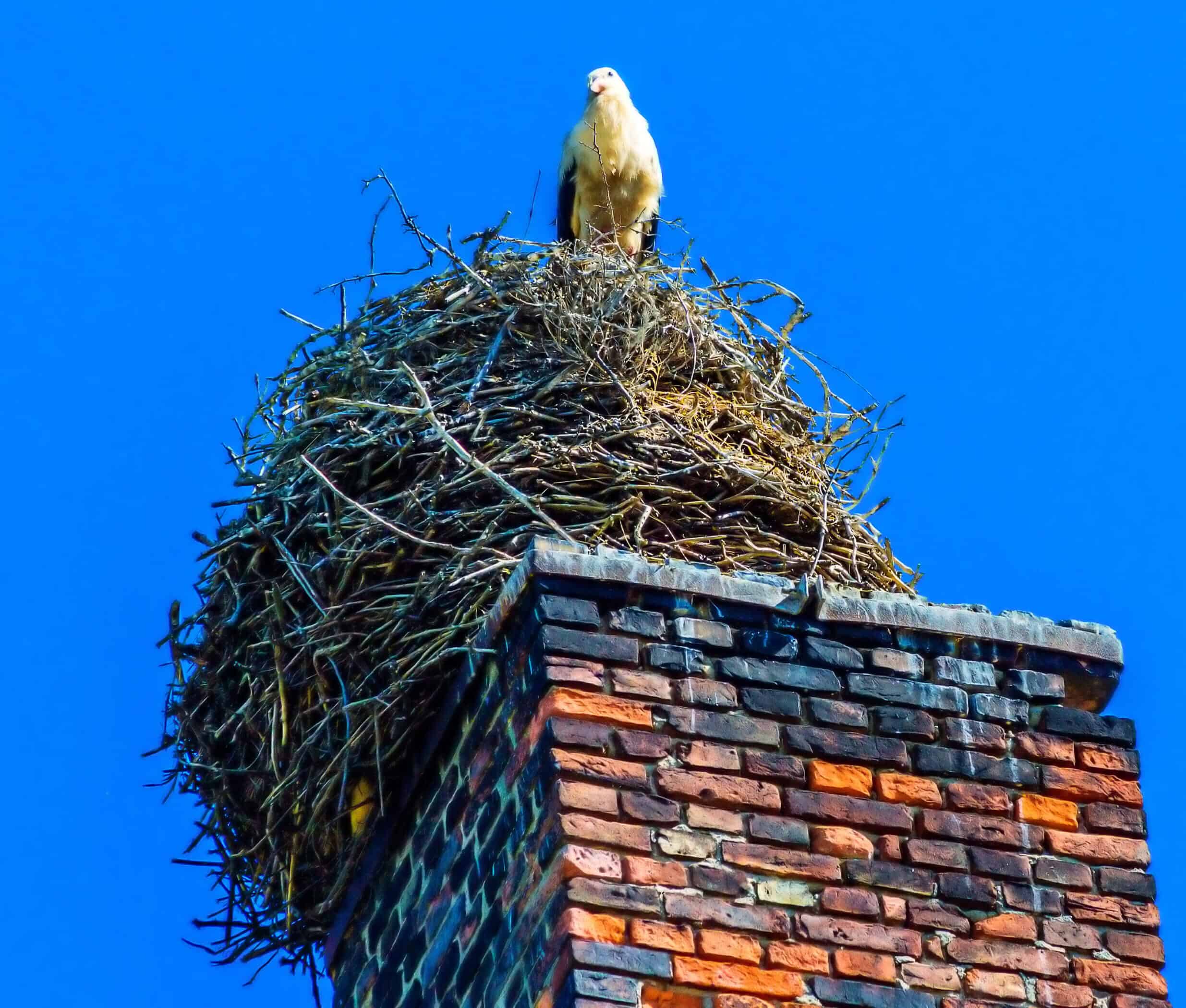
The inspection also covers obstructions. Bird nests, leaves, debris, and even animals that became trapped can block your flue. These blockages prevent proper venting, forcing smoke and dangerous gases back into your home. Squirrels, birds, and other wildlife enter uncapped chimneys regularly, creating dangerous blockages with nesting materials that can ignite during fireplace use.
We check the smoke chamber and damper operation. The smoke chamber should have smooth walls that help direct smoke up the flue. Rough or damaged surfaces can interfere with proper draft. The damper needs to open and close completely, seal tightly when closed, and show no signs of warping or rust that would prevent proper operation. A properly functioning damper also prevents heat loss when your fireplace isn’t in use, which matters when you’re dealing with Rhode Island’s high heating costs.
The firebox itself receives attention during inspection. We look for cracks in the firebox walls, deteriorated refractory panels, and proper clearances to combustible materials. Modern homes often have prefabricated fireboxes that can develop issues different from traditional masonry fireboxes, and we know what to look for in each type of construction.
Want live answers?
Connect with a Certified Chimney Inspections expert for fast, friendly support.
Beyond the chimney structure itself, we evaluate the components that protect your home from water damage and ensure safe operation. These elements work together as a system, and failure in one area often leads to problems throughout the entire chimney.
Chimney caps and crowns work together as your primary defense against weather. We verify the cap is securely attached, properly sized, and has intact mesh screening to keep animals out. We check that the crown has proper slope for water drainage and no cracks that would allow moisture intrusion. A quality chimney cap prevents the majority of water-related problems and keeps animals from nesting in your flue.
Flashing is examined closely. This metal barrier where your chimney meets the roof prevents water from entering your home. Rhode Island’s weather is particularly hard on flashing. Temperature changes cause metal to expand and contract, seals break down, and what started as a hairline gap becomes a pathway for significant water intrusion. Professional flashing repair typically costs between $300 and $400 in Rhode Island, but waiting too long to address the problem leads to water damage affecting drywall, wood beams, and flooring.
If you have a wood stove, pellet stove, or fireplace insert, we verify that everything meets current safety codes and New England masonry standards. This matters more than most homeowners realize, especially in modern homes where heating appliances may have been upgraded without proper inspection.
Appliances have specific clearance requirements from combustible materials. These aren’t suggestions. They’re safety standards designed to prevent house fires. Most stoves require 18 inches of clearance from combustible walls when using single-wall pipe. The requirements vary based on the specific appliance and pipe type, and we know exactly what to measure.
We measure these distances carefully. We check that the stove sits on proper floor protection. We verify that pipe connections are secure and use the correct type of connector for the application. Single-wall pipe and double-wall pipe have different clearance requirements, and using the wrong type can create serious fire hazards that develop slowly over time.
The connection between your appliance and the chimney receives close scrutiny. Gaps or improper sealing can allow smoke and gases to escape into your home. We verify that the connector pipe is properly sized for your appliance. An incorrectly sized flue liner can cause safety and performance issues, and many homes have liners that don’t meet size requirements for their heating appliance. Getting this wrong means your system won’t draft properly, leading to poor performance and potential safety hazards.
For gas appliances, we check venting systems for proper installation and any signs of corrosion or damage. Gas fireplaces burn cleaner than wood, but they still need proper venting. Blockages in gas chimney flues can force dangerous gases back into your home, and venting system components deteriorate over time. Improper gas appliance venting can cause carbon monoxide problems, making professional inspection critical for family safety.
We also verify that your heating system drafts properly. Poor draft can result from various issues including improper liner sizing, blockages, or problems with the chimney height. A system that doesn’t draft correctly won’t operate efficiently and can create safety hazards. Proper heating system draft can cut fuel costs by up to 15%, which adds up quickly when you’re dealing with Rhode Island’s heating expenses.
The inspection includes checking that any modifications or repairs were done correctly. Homeowners sometimes attempt DIY repairs or hire unlicensed contractors, and these shortcuts often create more problems than they solve. Rhode Island requires contractors to have a Decorative Heat Appliance License to legally install chimney liners and perform certain repairs. More than 20 companies have been fined for installing liners without proper licensing in recent years, and improper installation can turn a safety upgrade into a deadly hazard.
When you’re buying or selling a home in Rhode Island, a Level 2 chimney inspection becomes mandatory. This isn’t just a recommendation. It’s an NFPA standard required upon property sale or transfer, and understanding what this inspection covers helps both buyers and sellers navigate the transaction smoothly.
The inspection protects both parties in the transaction. As a seller, it prevents a buyer from claiming chimney damage that an inspection could have documented differently. It also gets your home ready to meet all sale requirements. As a buyer, it protects you from costly repairs and helps you understand the true integrity of the home before you commit to the purchase. This is especially important in Rhode Island where the median home value is $368,800 and most properties were built in 1961 or earlier.
A Level 2 inspection is more comprehensive than the basic annual inspection most homeowners get. It includes everything from a Level 1 inspection plus examination of accessible portions of the chimney in attics, crawl spaces, and basements. We check proper clearances from combustibles in these accessible locations. Nothing gets demolished to conduct the inspection, but we examine all areas accessible through existing doors, panels, or coverings.
The video scanning component is critical. Without opening walls or removing permanently attached portions of the chimney, we can examine internal surfaces and joints of all flue liners. This technology reveals problems that would otherwise remain hidden until they cause serious damage or safety issues. The video documentation also provides clear evidence of the chimney’s condition for all parties involved in the transaction.
Home inspectors typically take a cursory look at chimneys during standard home inspections. Most home inspectors aren’t chimney experts, and an in-depth chimney inspection isn’t in the scope of what they’re expected to do. Chimneys are complex systems and issues can be tricky. It takes a trained eye and the right tools to find subtle problems that, if not addressed, can lead to extensive and expensive repairs.
The inspection also covers areas that regular home inspections miss. While a home inspector verifies that there are no obvious signs of system degradation, they don’t actually inspect the chimney system thoroughly. Any fireplace or chimney issues missed during the overview home inspection fall under the responsibility of the homeowner. Scheduling both inspections separately saves time and money in the long run.
For homes built before 1970, which represent a significant portion of Rhode Island’s housing stock throughout Bristol County, RI, Providence County, RI, and other areas, these inspections often reveal issues with original construction that don’t meet current safety standards. Many older homes lack proper flue liners entirely. Those that do have liners often feature clay tiles that were adequate for their time but struggle with today’s heating demands and modern efficiency appliances.
Level 2 inspections are also required after any event likely to have caused chimney damage. Building fires, chimney fires, seismic events, and severe weather all indicate that this level of inspection is warranted. After any of these events, you need to verify the chimney’s integrity before using it again. The cost of a Level 2 inspection, typically around $400, is minimal compared to the potential costs of using a damaged chimney system.
The inspection provides documentation that’s valuable beyond the immediate transaction. Insurance companies increasingly require proof of proper chimney maintenance. Some policies mandate annual inspections to maintain coverage, and failing to provide this documentation can result in voided policies or increased premiums. The detailed report from a Level 2 inspection satisfies these requirements and gives you peace of mind that your chimney meets current safety standards.
Your chimney works harder than you think. Every fire you light, every heating season you rely on your system, it’s protecting your home from dangerous heat and toxic gases. Rhode Island’s climate makes proper inspection even more critical than in other parts of the country.
The five areas we examine—structural integrity, flue liner condition, safety components, appliance connections, and transaction requirements—aren’t random checkpoints. They’re the specific points where problems develop in New England homes, where safety hazards hide, and where small issues become expensive emergencies if ignored. CSIA certification ensures we have the training to spot what matters, and over two decades of experience means understanding how Rhode Island’s salt air, freeze-thaw cycles, and aging housing stock create unique challenges.
When you’re ready to have your chimney inspected by professionals who know New England homes throughout Bristol County, Kent County, Newport County, Providence County, and Washington County, we bring that expertise to every job.
Continue learning: