Summary:
Most homeowners assume chimney work stops when temperatures drop. That thinking puts families at risk during the months when fireplaces work hardest.
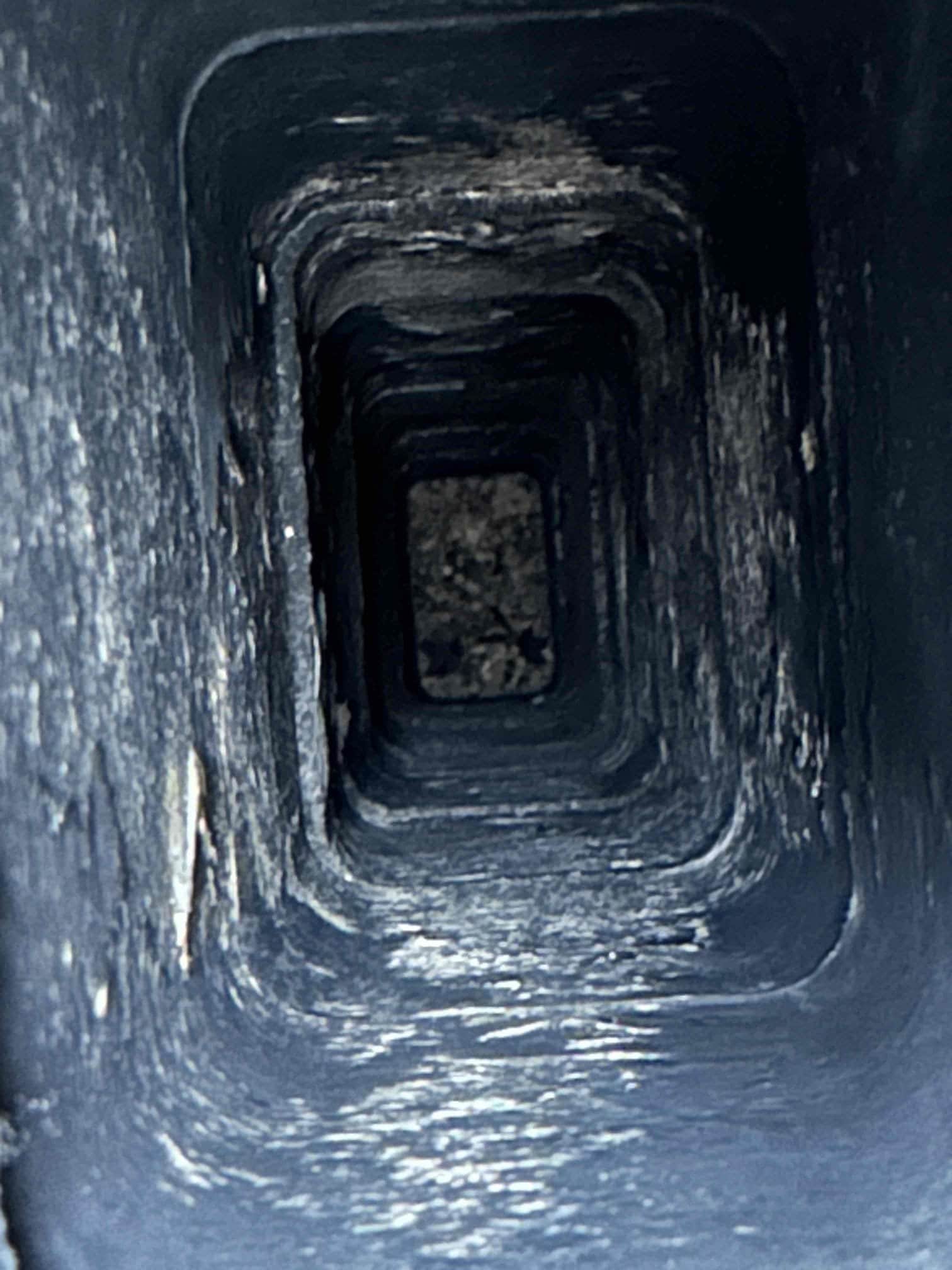
A damaged chimney liner becomes more dangerous in winter. Cold weather causes existing cracks to expand while increased fireplace use puts more stress on failing systems. Carbon monoxide leaks don’t pause for better weather, and chimney fires can happen any time you light a fire.
Winter installation also means you’re ready for next season instead of scrambling for repairs when demand peaks in fall. Smart homeowners handle chimney liner replacement before problems become emergencies.
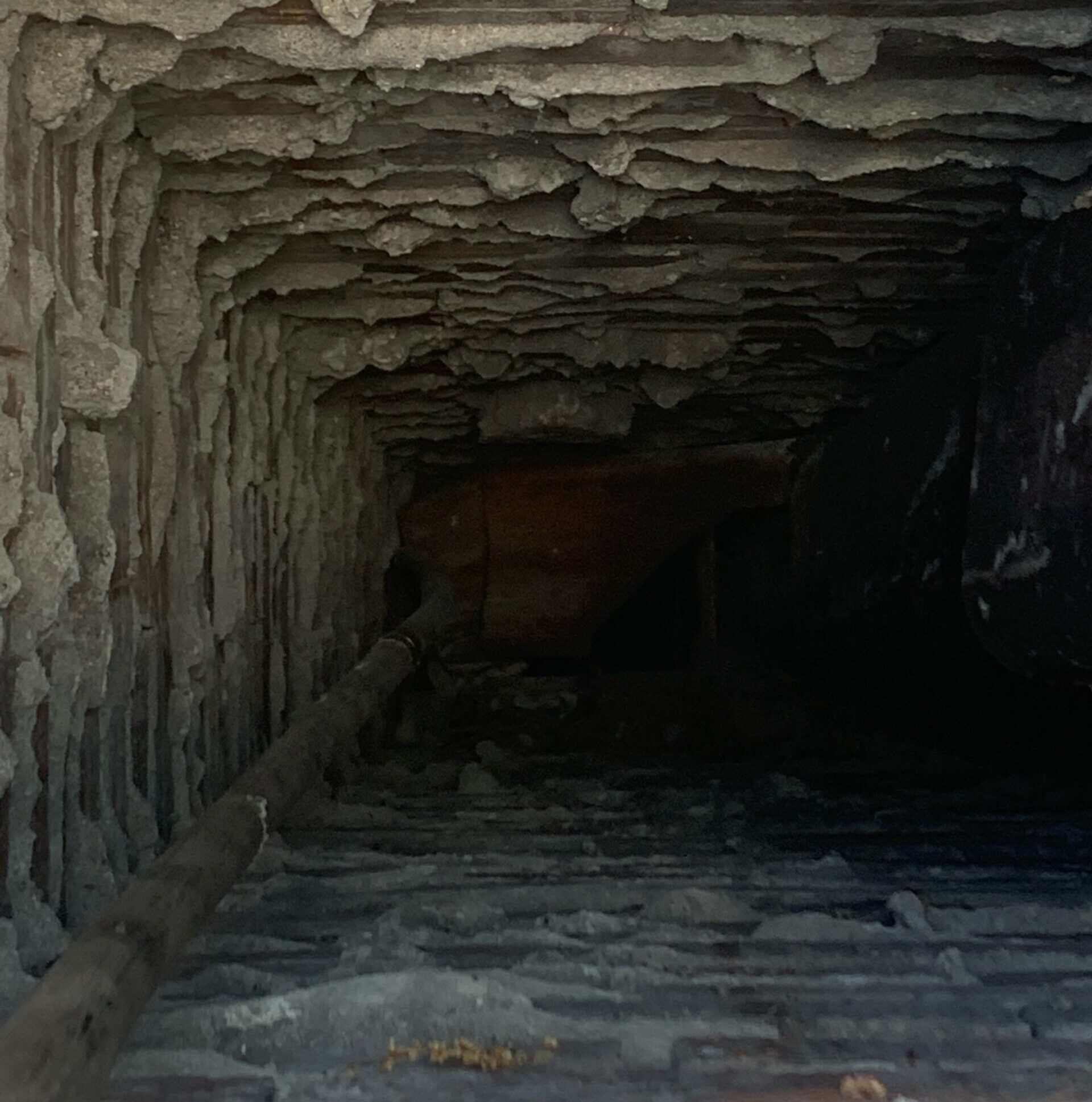
The key to successful winter chimney liner installation lies in understanding how cold affects materials and using the right solutions. Masonry accelerators change the game completely.
These specialized additives speed up the curing process of mortar and other masonry materials, allowing them to gain strength even in cold temperatures. Instead of waiting for ideal weather, we use accelerators to maintain proper installation standards year-round.
The process requires keeping materials warm before use and protecting newly installed work from freezing. Our professional crews heat sand and water, use insulated blankets, and sometimes create temporary enclosures around work areas. These techniques ensure your chimney liner installation meets the same quality standards as summer work.
Temperature management becomes crucial during winter installations. Mortar must stay above 40°F during the curing process to develop proper strength. Masonry accelerators help achieve this by boosting the chemical reaction that hardens the material, even when ambient temperatures drop below freezing.
Your installation timeline might extend slightly in winter due to additional preparation steps, but the end result delivers the same durability and safety you’d expect from any professional chimney liner replacement.
Installing your chimney liner during winter provides immediate safety benefits when your family needs them most. Every day you delay installation is another day of potential exposure to carbon monoxide, poor draft, and fire hazards.
Winter fires burn hotter and more frequently than occasional spring or fall use. A compromised liner under these conditions creates serious risks. Cracked clay tiles can allow toxic gases to seep into your living space, while damaged liners may not properly contain sparks and heat.
Cold weather also reveals liner problems that might go unnoticed during warmer months. Poor draft becomes obvious when you can’t get fires to burn properly or when smoke backs up into your room. These symptoms often indicate liner sizing issues or damage that winter installation can resolve immediately.
The peace of mind factor can’t be overstated. When you complete chimney liner installation before winter peaks, you know your system can handle whatever weather Rhode Island throws at you. No more wondering if that crack in your flue will cause problems during the next cold snap.
Professional winter installation also means your heating system operates more efficiently throughout the coldest months. Better draft means cleaner burns, less creosote buildup, and lower heating costs when energy bills matter most.
Want live answers?
Connect with a Certified Chimney Inspections expert for fast, friendly support.
Winter chimney liner installation follows the same basic process as warm-weather work, with additional steps to ensure quality results. Understanding what happens helps you prepare for the project and know what questions to ask.
The process starts with a thorough inspection to assess your current chimney condition and determine the right liner type and size. This step becomes even more important in winter because cold weather can reveal damage that wasn’t visible during warmer months.
We prepare for winter conditions by staging heated materials and setting up protective measures around the work area. The actual installation typically takes one day for standard chimneys, though winter conditions might extend the timeline slightly.
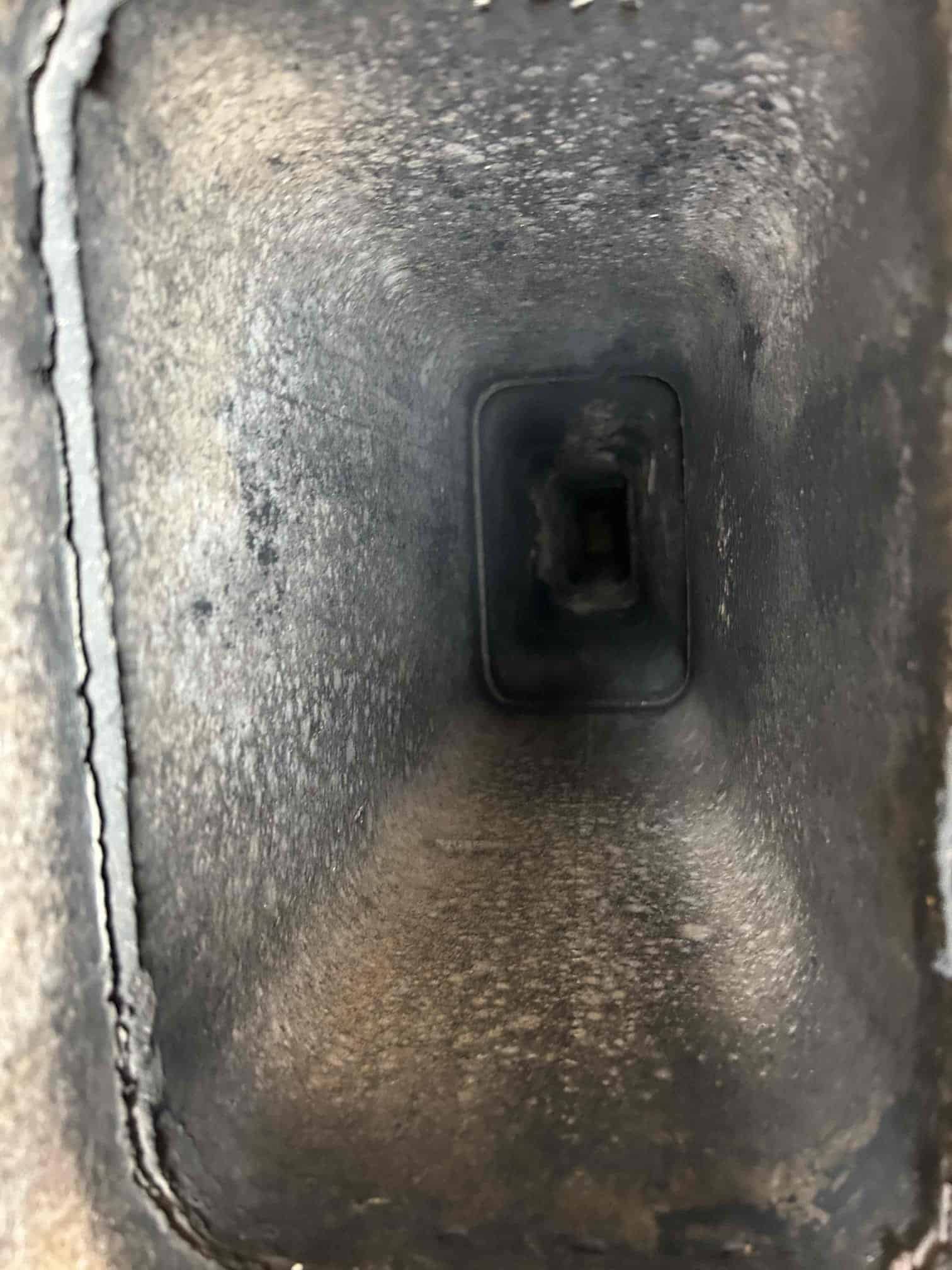
Stainless steel chimney liners represent the gold standard for durability and performance, especially important during winter installations when materials face additional stress from temperature changes.
The installation begins with careful measurement of your existing flue to ensure proper sizing. Too large creates poor draft; too small restricts airflow and creates safety hazards. We account for insulation requirements and connection points during this critical sizing phase.
Preparation involves cleaning the existing flue and removing any damaged clay tiles or debris. Winter installations require extra attention to keeping materials dry and preventing ice formation during this phase. We often use heated enclosures or protective covers to maintain proper working conditions.
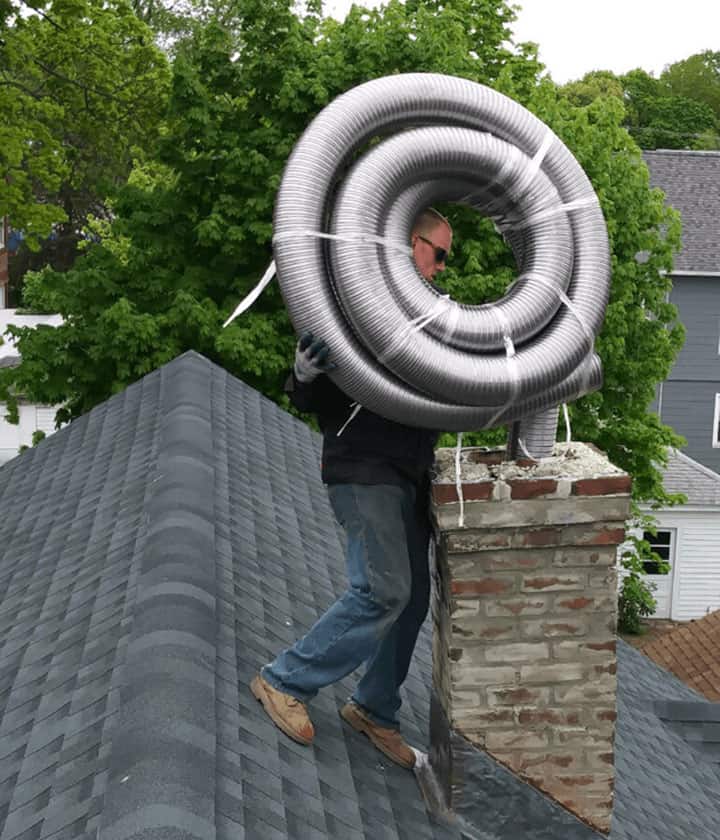
The liner itself gets carefully lowered down the flue and secured at both top and bottom connections. Stainless steel’s flexibility allows it to navigate bends and offsets while maintaining structural integrity. Proper sealing at connection points becomes especially important during winter installations to prevent moisture infiltration.
Insulation installation around the liner provides crucial benefits during cold weather. Insulated liners maintain higher flue gas temperatures, improving draft and reducing condensation that can damage your chimney structure. The insulation also provides additional protection against heat transfer to surrounding masonry.
Final connections include installing the appropriate termination cap and ensuring proper clearances from combustible materials. Winter installations often include additional weather protection measures to help the system perform optimally during harsh Rhode Island winters.
Maintaining installation quality during winter requires experience, proper equipment, and attention to detail that separates our professional crews from general contractors who avoid cold-weather work.
We monitor temperatures throughout the installation to ensure all materials cure properly. Our crews track ambient temperatures, material temperatures, and protected work area conditions to guarantee proper strength development. Masonry accelerators only work effectively when used correctly within specific temperature ranges.
Protection measures extend beyond the installation day. Newly installed liners need protection from rapid temperature changes that could stress connections or affect curing processes. Insulated blankets, temporary enclosures, or heated areas help maintain stable conditions during critical curing periods.
Quality materials become even more important during winter installations. We use professional-grade stainless steel liners that resist thermal cycling better than cheaper alternatives. High-quality insulation maintains its properties despite temperature fluctuations that might compromise inferior products.
Post-installation inspection verifies that all connections remain secure and that the system drafts properly under actual operating conditions. Winter installations provide immediate opportunities to test performance under real heating loads, ensuring everything works correctly when you need it most.
We document the installation process, materials used, and any special winter procedures to provide valuable information for future maintenance and warranty coverage. Our detailed records protect your investment and ensure proper system operation for years to come.
Winter chimney liner installation requires expertise that comes from years of experience working in Rhode Island’s challenging weather conditions. The right contractor makes the difference between a successful project and costly problems down the road.
When you choose professional installation, you get peace of mind knowing your family stays safe throughout the heating season. No more worrying about carbon monoxide leaks or wondering if your chimney can handle another winter of hard use.
For expert chimney liner installation that doesn’t wait for perfect weather, contact Certified Chimney Inspections. Our CSI certified technicians have been handling winter installations in Charlestown since 2000, using proven techniques that deliver lasting results regardless of season.
Continue learning: