Summary:
In Rhode Island’s climate, freeze-thaw cycles create additional stress on already compromised masonry, with water freezing inside bricks and mortar joints, expanding and creating larger cracks and more extensive damage. Your chimney isn’t just dealing with normal wear—it’s fighting a constant battle against moisture infiltration and temperature swings that can destroy standard repairs within a single season.
The brutal freeze-thaw cycles, coastal moisture from Narragansett Bay, and seasonal temperature swings take a toll on mortar joints, flue liners, and chimney crowns. This means repairs need to be done with materials and techniques specifically chosen for our local conditions, not generic solutions that work elsewhere but fail here.
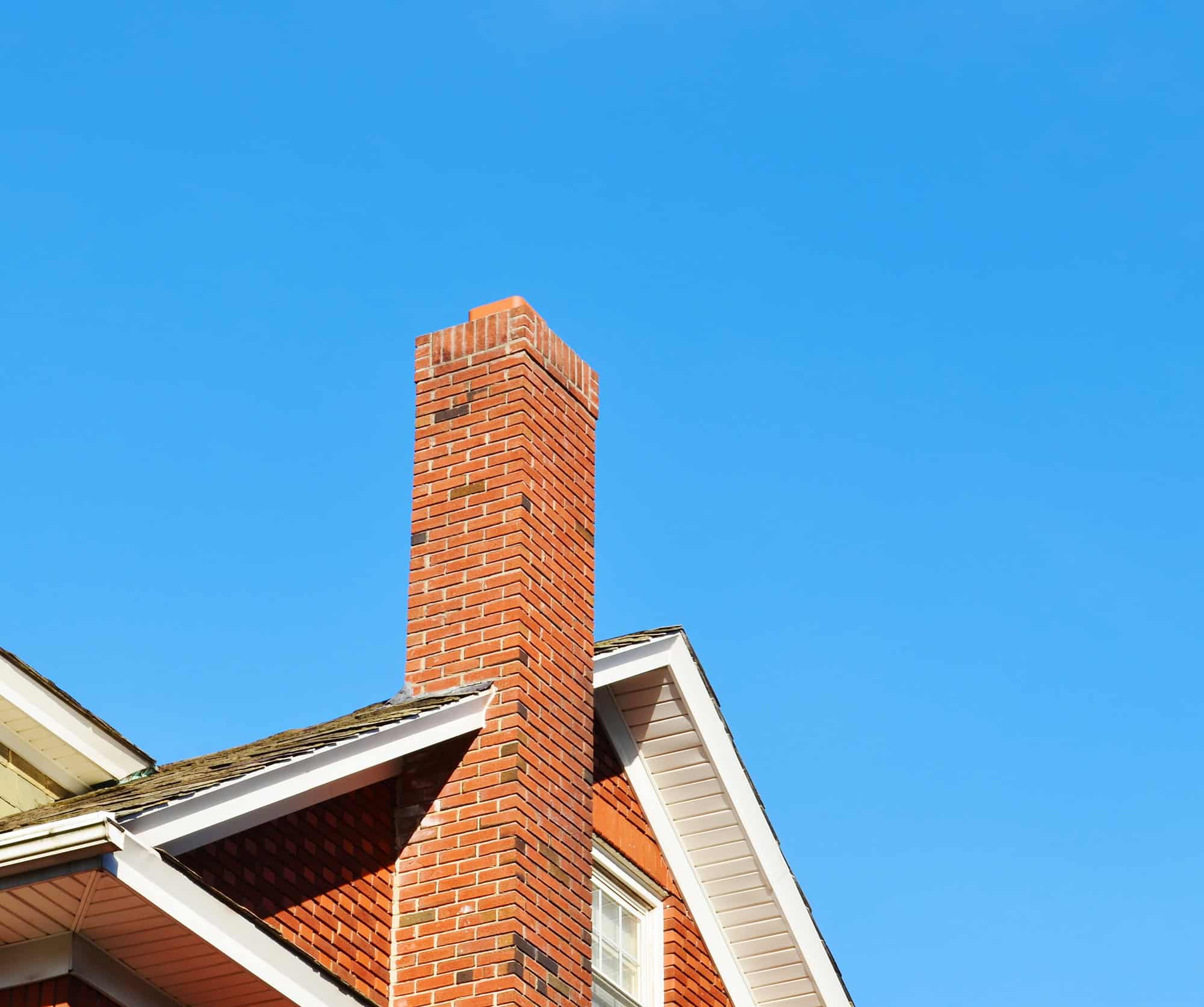
Small issues become major problems fast in Rhode Island’s climate, where freeze-thaw cycles can turn hairline cracks into structural damage in a single winter. When water penetrates your chimney masonry, it doesn’t just sit there—it becomes a destructive force every time temperatures drop below freezing.
Since last winter, if moisture has seeped into your chimney masonry, a destructive process occurs with every wintry freeze-thaw cycle. The water within the bricks expands when it freezes and contracts when the ice melts. This movement breaks down the internal structure of any brick that contains moisture.
The visible signs tell the story. The destructive process caused by freeze-thaw cycles is evident when spalling occurs—the brick face of damaged masonry flakes and breaks off, with bits of masonry debris around your chimney or on the ground below. White staining on chimneys, known as “efflorescence,” occurs when water-compromised masonry contains water-soluble salt that travels through the masonry and leaves salt deposits on the brick face.
What makes this particularly challenging for Bristol homeowners is the timing. January temperatures in Rhode Island average 34°F to 40°F during the day and 17°F to 25°F at night, creating perfect conditions for repeated freeze-thaw damage. Standard mortar mixes and repair techniques simply can’t handle this constant expansion and contraction cycle.
Masonry accelerators represent a significant advancement in cold-weather construction technology, allowing quality chimney repairs even during Bristol’s harsh winter months. These chemical additives modify the curing process of mortar and concrete, enabling proper bonding and strength development at temperatures that would normally prevent masonry work.
Traditional masonry work requires temperatures above 40°F for proper curing, which severely limits repair windows in Rhode Island. Weather plays a big role—quality masonry work can’t be done in freezing temperatures or heavy rain, and we would rather wait for proper conditions than rush a job that needs to last decades. However, masonry accelerators change this equation by accelerating the chemical reactions that create strong bonds, allowing repairs to proceed safely in colder conditions.
For Bristol homeowners, this technology means emergency repairs don’t have to wait until spring. When your chimney develops leaks or structural issues during winter storms, masonry accelerators enable immediate professional repairs using materials specifically formulated for cold-weather application. The accelerated curing process also reduces the time window when fresh repairs are vulnerable to freeze damage, providing better long-term durability.
The key advantage isn’t just winter capability—it’s the enhanced performance these additives provide. Masonry accelerators can improve freeze-thaw resistance, reduce permeability, and increase overall strength compared to standard mixes. This makes them particularly valuable for Rhode Island’s demanding climate conditions.
Want live answers?
Connect with a Certified Chimney Inspections expert for fast, friendly support.
The longevity of any chimney repair depends heavily on the materials used and the skill applied, utilizing appropriate mortar mixes designed to bond well and resist weathering specific to the RI climate. Professional chimney repair goes beyond fixing what’s obviously broken—it addresses the underlying causes and uses materials engineered for local conditions.
Our assessment process in Bristol homes involves looking beyond the surface damage to identify underlying issues, like problems with the chimney crown or flashing that might be contributing to the masonry deterioration, allowing us to recommend a complete chimney repair solution. This comprehensive approach prevents the cycle of repeated repairs that plague homeowners who only address symptoms.

One of the most common needs we address is chimney masonry repair, where bricks can spall (flake) and mortar joints can erode due to moisture and the demanding RI weather cycles, and ignoring these signs can compromise your entire chimney structure. Professional masonry restoration requires understanding both the immediate damage and the conditions that caused it.
Techniques like precise tuckpointing ensure new mortar joints are properly filled and sealed against moisture. This isn’t just about making repairs look good—it’s about creating barriers that prevent future water infiltration. Crumbling mortar isn’t just unsightly—it compromises your entire chimney structure. When mortar fails, it allows water to penetrate deeper into the masonry system, leading to interior damage, brick spalling, and potential structural instability, with freeze-thaw cycles common in our region accelerating this process dramatically.
The restoration process begins with careful removal of deteriorated materials. If it’s freeze-thaw damage, we remove the compromised masonry and rebuild with materials designed for Rhode Island weather. When replacing bricks, we strive for the closest possible match to maintain your home’s appearance, but the priority is structural integrity and weather resistance.
Professional tuckpointing involves more than just filling gaps. Tuckpointing involves routing out ineffective mortar and replacing it with fresh mortar, recreating the original condition of the bricks and mortar. The new mortar must be properly mixed for local conditions, applied at the right consistency, and tooled to shed water effectively. This attention to detail makes the difference between repairs that last years versus those that fail within seasons.
If it’s flashing failure, we install proper metal work that actually keeps water out. Flashing failures are among the most common causes of chimney leaks in Bristol, and proper repair requires understanding how water moves around chimney structures during different weather conditions.
We complete flashing repairs using quality sheet metal properly integrated with your roofing material to form a lasting watertight barrier. This integration is critical—flashing that isn’t properly connected to both the chimney and roof systems will eventually fail, no matter how good the materials are. Professional installation involves step flashing, counter flashing, and proper sealant application in a coordinated system.
Chimney crown repair presents unique challenges in Rhode Island’s climate. A cracked chimney crown exposes your chimney and home to moisture, which can lead to costly repairs. A crumbling chimney crown will need to be rebuilt with the experience and skill to replace a damaged chimney crown with one that will keep the moisture out of your chimney for many years to come.
For crown repair, we use durable sealing compounds or robust concrete mixes specifically formulated to handle freeze-thaw cycles. The crown’s job is to shed water away from the chimney opening and masonry, so proper slope and drainage are essential. Modern crown repairs often incorporate masonry accelerators and freeze-thaw additives to improve durability in New England conditions.
Professional crown construction also involves proper reinforcement and expansion joint details. Crown repairs get concrete mixes with freeze-thaw resistance, but the design must also accommodate thermal movement without cracking. This requires understanding how different materials expand and contract at different rates.
Professional chimney inspection and repair becomes essential when you notice any combination of warning signs. We can identify the root cause of water infiltration and recommend appropriate repairs before minor problems become major expenses, with our local chimney repair services understanding New England’s unique challenges. The key is working with contractors who understand both the technical requirements and local conditions.
Every chimney repair service we provide in Bristol is focused on delivering a reliable, long-term solution for your home. This means using appropriate materials, proven techniques, and comprehensive approaches that address underlying causes rather than just symptoms. When you’re dealing with Rhode Island’s demanding climate, anything less than professional-grade repairs is false economy.
For reliable chimney repair that handles Bristol’s weather challenges year-round, contact Certified Chimney Inspections. Our CSI-certified technicians bring over two decades of experience and the advanced techniques needed to keep your chimney functioning safely and efficiently.
Continue learning: