Summary:
Your chimney takes a beating from coastal New England weather. Without a chimney cap, rain and snow drip directly into your firebox, dampening fires and potentially causing chimney liner cracks. Even small amounts of packed snow can clog the flue, suffocating your fire and creating dangerous carbon monoxide risks.
Living in Portsmouth’s coastal environment means your chimney faces unique challenges like salt corrosion and high humidity that accelerate deterioration. The freeze-thaw cycles we get here are particularly brutal on exposed masonry.
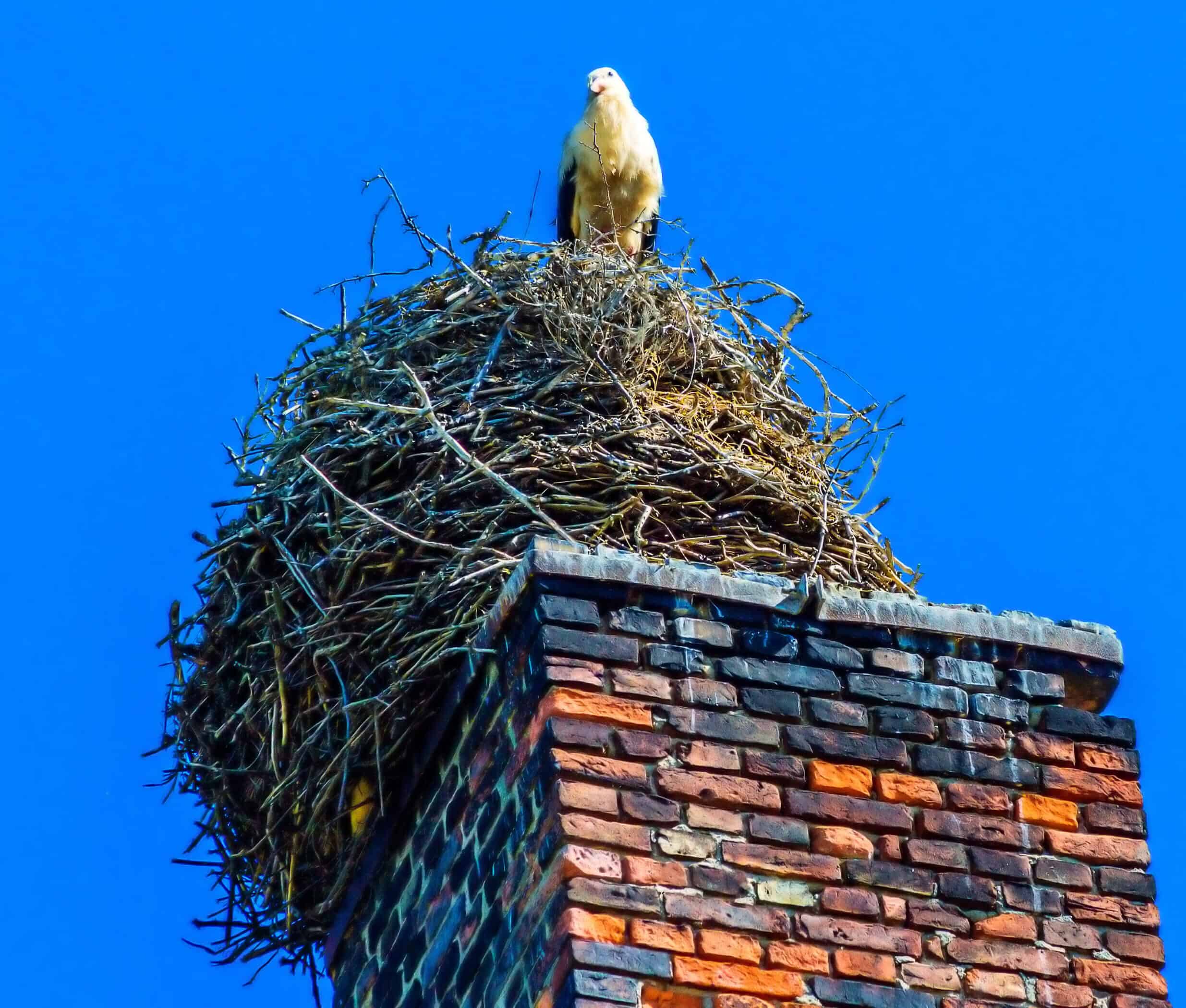
During winter, small animals like squirrels, birds, and other rodents see your open chimney as the perfect warm shelter. What starts as a minor nuisance can become a major problem if animals get stuck and die in your flue system.
Let’s be direct about what you’re risking. Moisture causes rust, rot, and mortar damage, shortening your chimney’s lifespan and leading to costly repairs. We’re talking about damage that compounds over time, turning a simple cap installation into major masonry work.
A quality chimney cap acts like a champion, deflecting rain, sleet, and lake-effect snow away from your porous masonry. Without this protection, water seeps into every crack and crevice. When temperatures drop, that water freezes and expands, creating bigger cracks and more entry points for future damage.
The safety concerns are real too. Chimney blockages mess with your system’s airflow, allowing smoke and other gases into your home. These blockages can also combust, causing chimney fires. That’s not a risk worth taking with your family’s safety.
In winter, drafts make your home feel colder and force your heating system to work overtime, driving up energy costs. An open chimney allows cold air into your home, but a proper chimney cap and functioning damper minimize drafts, keeping your home warmer and more energy efficient.
Beyond the immediate safety and comfort issues, there’s the frustration factor. If animals get stuck and die in your chimney, you’ll need to call professionals to extract the remains. It’s an unpleasant, expensive situation that’s completely preventable.
High-quality chimney caps effectively keep rain and snow out of the flue, preventing costly water damage. The design matters here – we’re not talking about some generic cover that might work for a while. Professional-grade caps are engineered to handle Portsmouth’s specific weather patterns.
These caps deter unwanted animals from nesting in your chimney, maintaining a clear chimney flue for your family’s safety. The mesh screening is sized specifically to keep out pests while allowing proper ventilation. Too small, and you risk blockage from creosote buildup. Too large, and animals still get through.
Chimney caps prevent embers and sparks from escaping and landing on your roof or nearby flammable surfaces. This is especially important during those cozy winter fires when sparks are more likely to escape through strong updrafts.
Proper chimney caps support airflow, which helps reduce the risk of chimney fires and allows proper venting for your fireplace. The aerodynamics of a well-designed cap actually improve your chimney’s draw, making fires burn cleaner and more efficiently.
Material choice makes a difference too. The best materials include stainless steel, copper, or aluminum that fit tightly or are custom fabricated for a perfect fit on your chimney. Each material has its advantages – stainless steel for durability, copper for aesthetics and longevity, aluminum for cost-effectiveness.
Want live answers?
Connect with a Certified Chimney Inspections expert for fast, friendly support.
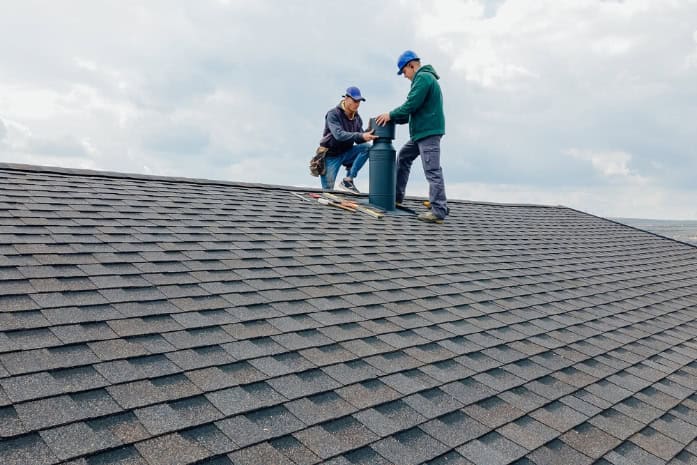
While DIY might seem possible, professional installation is generally recommended. This helps confirm the chimney cap fits correctly and protects your home appropriately, especially given the risks of working at heights.
There’s more to it than just slapping a cap on top of your chimney. Proper installation requires understanding your specific chimney configuration, local building codes, and the interaction between the cap and your existing damper system.
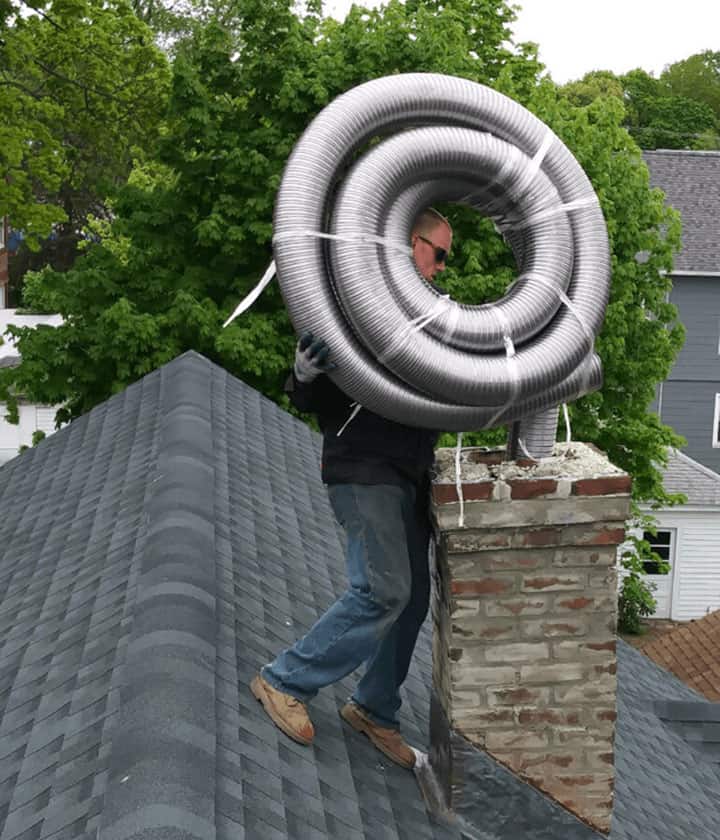
Professional chimney cap replacement and installation ensure your cap fits securely and functions properly. DIY attempts often lead to poor fits, allowing water or pests to get inside. A certified technician can size and install the right type of cap for your chimney, ensuring long-lasting protection.
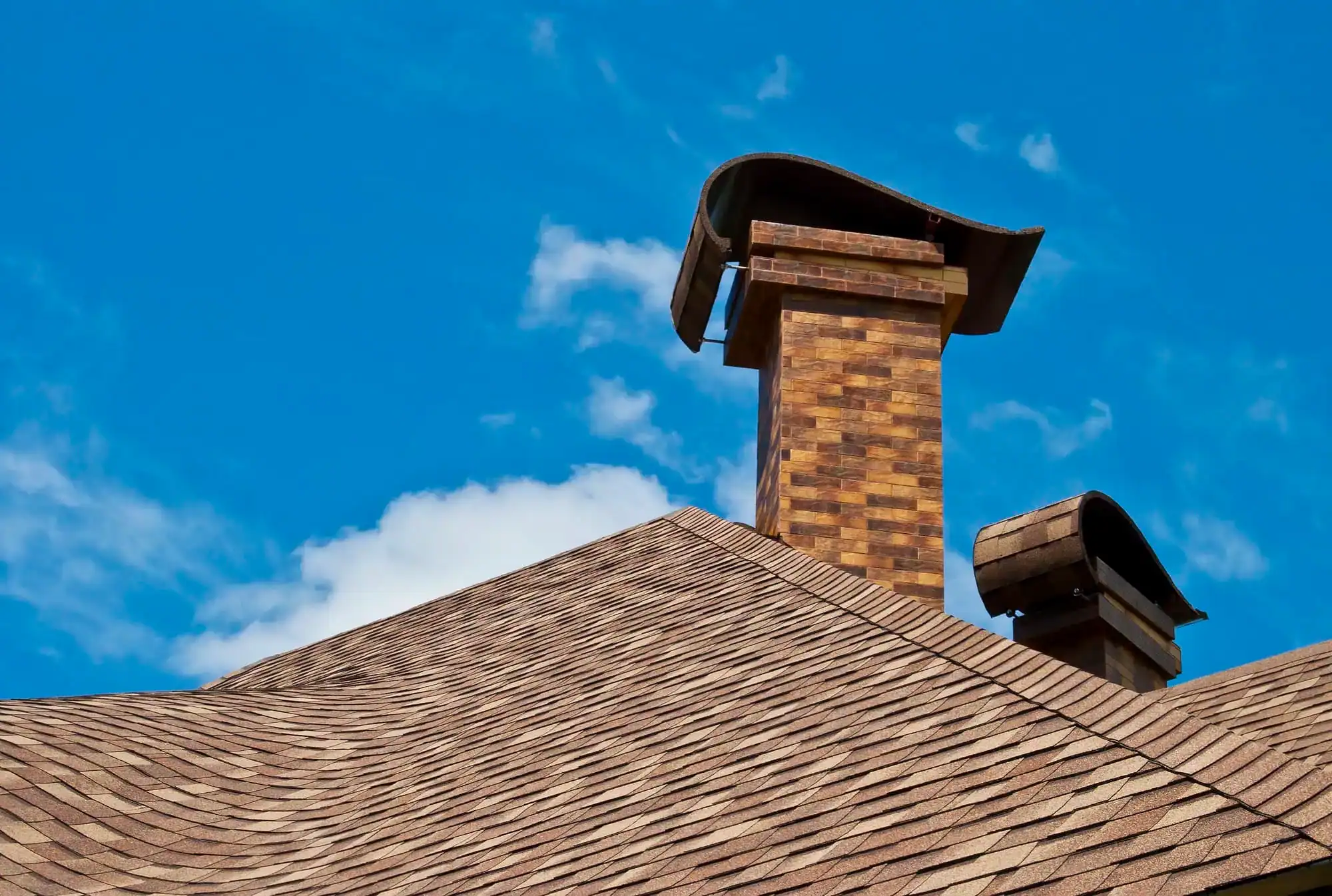
Professional installation starts with proper assessment. We measure your chimney’s dimensions, evaluate the existing structure, and determine the best cap style for your specific situation. The best chimney caps fit tightly around the brick top of the chimney with screens to fully enclose it and keep animals out.
The installation process involves more than just mounting hardware. We check the chimney crown condition, ensure proper flashing integration, and verify that the cap doesn’t interfere with your damper operation. To protect your chimney effectively, the cap must cover the entire opening while allowing adequate airflow.
Material selection is crucial for Portsmouth’s coastal environment. We offer durable options like stainless steel, visually appealing copper, and coated aluminum, all designed for long-lasting protection against the elements. Each material is chosen based on your home’s specific needs and your aesthetic preferences.
We also consider the mesh specifications carefully. Smaller mesh prevents small animals and sparks but may collect creosote faster. Larger mesh allows more airflow and prevents clogging but may not keep out smaller pests. We consider your location and common wildlife when deciding on mesh size.
Quality installation includes proper weatherproofing and sealing. Our weatherproof seals and flashing prevent moisture from infiltrating your chimney, preventing water damage to your flue, prolonging your chimney’s lifespan, and preventing expensive repairs in the future.
Winter installations sometimes require special considerations, particularly when mortar work is involved. Masonry accelerators are non-chloride, non-corrosive liquids that improve workability and initial strength while reducing cement hydration time. They’re recommended for cooler weather to accelerate set time and when early strength gain is desired to speed up construction.
Accelerators don’t reduce the freezing point of mortar, but they increase the rates of early-age strength development. They don’t eliminate the need to protect mortar from freezing, but may limit the amount of time that protection is required.
This becomes relevant when cap installation requires crown repair or flashing work. Accelerators speed up hardening, which is good for cold conditions, allowing us to complete installations even when temperatures aren’t ideal.
Only non-chloride based accelerators are used in masonry work because chloride contributes to corrosion of embedded metal such as wall ties, anchors, and joint reinforcement. This is particularly important in Portsmouth’s salt air environment where corrosion is already accelerated.
The decision to use masonry accelerators depends on several factors: ambient temperature, project timeline, and the specific repair work needed alongside cap installation. We understand when these additives provide value and when they’re unnecessary.
If your cap is damaged or missing, schedule chimney cap installation before winter arrives. Doing so can help prevent costly repairs down the road. The window for ideal installation conditions gets narrower as we move deeper into fall and winter.
Most chimney caps last 10 to 15 years, depending on materials and weather exposure. Regular inspections help spot damage early. If your current cap is approaching that age or showing signs of wear, replacement before the heating season makes sense.
Working with experienced professionals means getting the job done right the first time. Our CSI-certified technicians bring over two decades of experience to every Portsmouth installation, and we understand the specific challenges coastal New England chimneys face. Contact us for your free estimate and protect your home before winter weather arrives.
Continue learning: