Summary:
A properly installed liner prevents hazardous flue gases like carbon monoxide from leaking into your living spaces. This isn’t just about comfort—it’s about keeping your family safe from invisible, deadly gases.
Rhode Island’s weather patterns, with cold winters and freeze-thaw cycles, place considerable stress on chimney structures. Without a quality liner, moisture seeps into cracks, freezes, and gradually breaks down your chimney’s masonry. The right liner improves your chimney’s updraft efficiency while protecting the masonry from corrosive combustion byproducts.
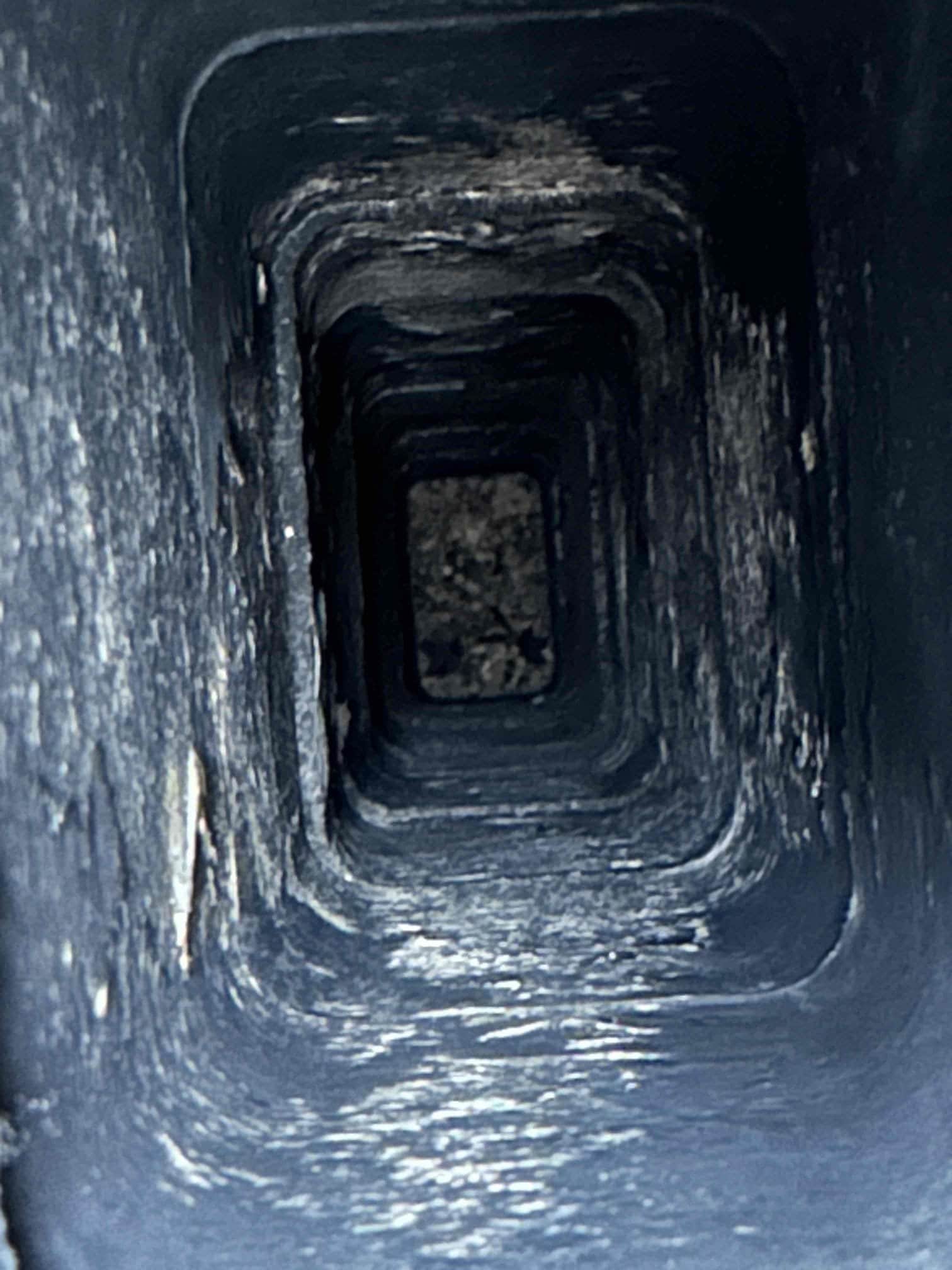
Older chimneys, especially unlined ones or those with damaged clay liners, often require new liner installation to meet current safety standards and function correctly with modern appliances. If your home was built before the 1940s, there’s a good chance you need this upgrade.
Look for these warning signs: white staining on your chimney exterior, rust on your damper or firebox, damaged wallpaper or paint near your fireplace, or a strong odor coming from your chimney during humid weather. When flues are too large and cool down too quickly, moisture appears as white staining, peeling wallpaper, wet plaster, and even mold.
The timing matters too. Winter heating problems become urgent when cold weather arrives and you want comfort and warmth from your fireplace. Don’t wait until you’re dealing with heating issues in January. Getting this work done before winter means avoiding high-demand periods when chimney services are busiest.
Your heating appliance type also determines liner needs. Gas furnaces, oil burners, wood stoves, and fireplaces each have specific requirements. For gas appliances especially, improper venting into oversized chimneys carries approximately two cubic feet of water vapor for every cubic foot of gas burned. Without proper sizing, this creates moisture problems throughout your home.
High-quality stainless steel chimney liners are known for their durability and resistance to heat and corrosion, offering superior longevity compared to older clay tile liners which can crack over time. This isn’t just marketing talk—it’s the difference between a repair that lasts decades and one that fails in a few years.
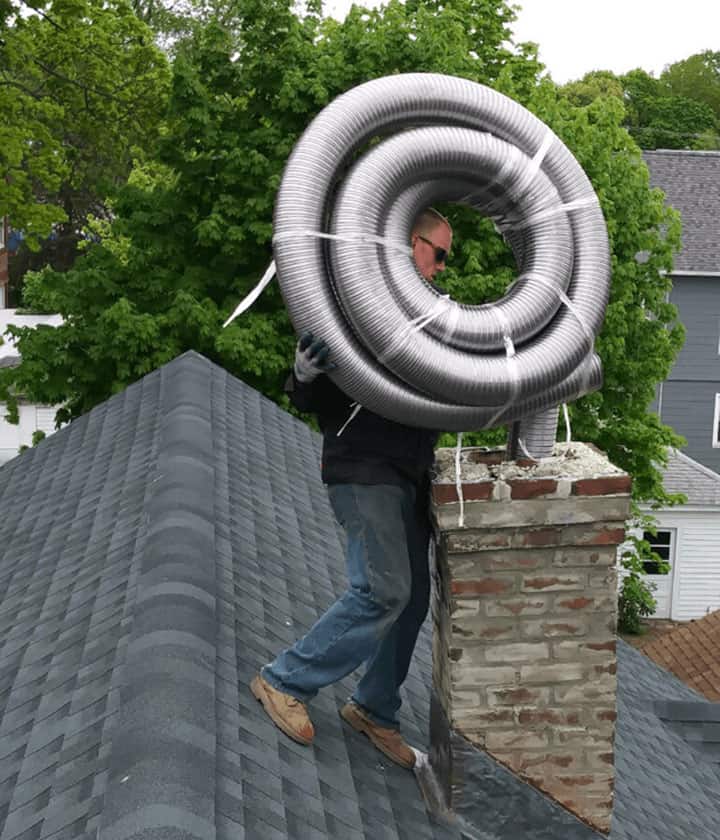
Metal liners made from stainless steel are highly durable, suitable for most types of fireplaces and fuels, and are the preferred choice for liner replacement due to their resistance to corrosion and heat. They work with wood, gas, and oil applications, making them versatile for whatever heating setup you have.
Clay tile liners, common in older Greene homes, have limitations. They crack from freeze-thaw cycles and don’t handle temperature changes as well as modern materials. Most masonry chimneys starting in the 1940s were made with clay tiles that line the inside of the chimney, but over time these tiles deteriorate or crack.
Cast-in-place liners offer another option for specific situations. Thermocrete ceramic flue lining repair is frequently better than stainless steel pipe for fireplaces and furnace applications where reducing flue size isn’t acceptable. However, for most Greene homeowners, stainless steel provides the best combination of performance, durability, and cost-effectiveness.
The material choice affects your home’s efficiency too. Double-wall liners increase drafts by approximately 20 percent and tend to have less creosote buildup, providing improved appliance efficiency. This means better performance from your heating system and lower maintenance requirements.
Want live answers?
Connect with a Certified Chimney Inspections expert for fast, friendly support.
For most standard homes in Greene, we can typically finish a complete chimney liner installation within one full day, minimizing disruption to you. Our professional installation starts with a thorough inspection using camera systems to assess your flue’s condition and measure dimensions.
Our approach involves careful assessment to recommend the best fit for your chimney’s dimensions and usage patterns, with clear communication throughout the process. You’ll know exactly what’s happening and why before any work begins.
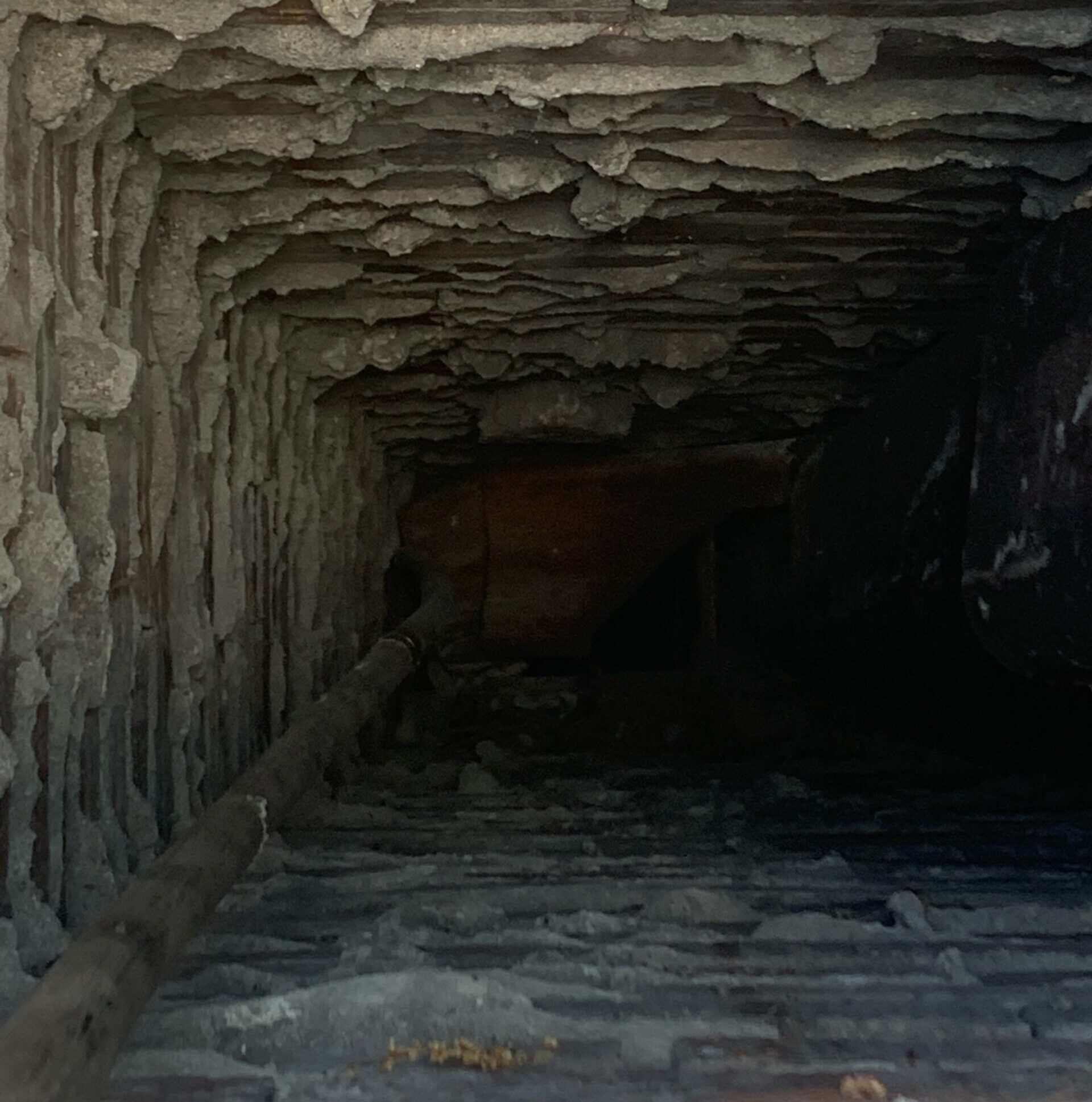
Installation may involve cleaning the chimney to reduce potential soot leakage and potentially removing existing clay tile liners using rotary demolition tools. Don’t worry—this sounds more disruptive than it actually is when handled by experienced professionals.
If there are bends in the liner path through the chimney, we may temporarily remove a few bricks to guide the new liner down the structure, with these bricks replaced once installation is complete. Your chimney will look exactly as it did before, just with better internal protection.
The connection process varies by application. For appliance liners, the liner connects through the wall to join with your heating appliance via single or double-wall connectors, maintaining proper clearances to combustible materials. Safety isn’t just about the liner itself—it’s about how everything connects together.
Insulation installation happens during this process if you choose that upgrade. Adding insulation maximizes fireplace and chimney efficiency, improves chimney performance, protects masonry work, and controls the release of hot gases. While non-insulated flues work in most situations, issues crop up when air is extremely cold, making the liner colder and creating condensation.
We handle permit requirements and ensure code compliance. We secure necessary permits to ensure installation complies with local regulations and manage all paperwork and legal requirements. You don’t have to navigate bureaucracy—that’s handled for you.
Installing an insulated chimney liner improves draft efficiency, letting logs burn more efficiently and reducing power bills during winter. When you’re paying heating bills all season, this efficiency gain adds up quickly.
Proper insulation reduces fire risk by protecting combustible elements from high temperatures and reducing creosote buildup by maintaining higher temperatures. Creosote is highly flammable and builds up faster when flue gases are cooler, which is common in uninsulated chimneys.
The masonry accelerators we use in professional installations help speed curing times during cold weather installations. This means your system is ready to use sooner, even when temperatures drop. Freezing temperatures cause moisture in chimneys to freeze and expand, leading to cracks, while snow and ice accumulation can result in blockages.
Getting ahead of winter demand makes sense financially too. Avoiding high-demand winter periods when chimney services are busiest often means better scheduling flexibility and potentially better pricing. You’re not competing with emergency calls from homeowners whose heating systems failed during the first cold snap.
An unexpected benefit of chimney liners is that they help your house be more efficient since they prevent cold downdrafts during cooler months. This isn’t just about your fireplace—it’s about your home’s overall comfort and energy efficiency throughout the heating season.
Investment in a chimney liner pays off by increasing energy efficiency, home value, and saving money on future repairs. More importantly, it gives you confidence that your family is protected from carbon monoxide and chimney fires.
At Certified Chimney Inspections, we focus on providing suitable solutions for your specific chimney structure and heating system in Greene, with our understanding of local Rhode Island climate helping in material selection. Don’t wait until winter heating season creates urgent problems—schedule your chimney liner installation with Certified Chimney Inspections today.
Continue learning: