Summary:
Your fireplace should make your Rhode Island home warmer and more inviting. But if you’re seeing higher heating bills, smoke drifting back into your living room, or catching that acrid smell even when nothing’s burning, your chimney is trying to tell you something.
Most fireplace problems trace back to what’s happening inside your chimney—the part you can’t see. Creosote coating your flue walls. Blocked airways. Combustion that’s wasting fuel instead of producing heat. These issues don’t just drain your wallet. They put your home and everyone in it at risk. We deal with these problems every day across Bristol County, Kent County, and throughout Rhode Island. The solutions are more straightforward than most homeowners realize. You just need to know what matters and when to act.
Every fire you burn creates byproducts. Smoke, unburned wood particles, and combustion gases rise through your chimney, cooling as they travel upward. When these materials hit the cooler surfaces of your flue, they condense and stick to the walls. That’s creosote—a dark, sticky, highly flammable coating that grows thicker with every fire.
Initially, creosote looks harmless. A thin layer of soot you could probably brush away. But keep burning without professional chimney sweeping, and it transforms into something far more dangerous. It hardens into a shiny, tar-like glaze that ordinary brushes can’t touch. At that stage, you’re facing chemical treatments, specialized removal equipment, or potentially replacing your entire chimney liner.
Here’s what keeps us busy: when creosote reaches just one-eighth of an inch thick, it becomes a legitimate fire hazard. Chimney fires burn at roughly 2,000 degrees Fahrenheit—hot enough to crack flue tiles, melt mortar between bricks, and create openings for flames to reach the wood framing hidden in your walls. Close to 25,000 chimney fires ignite every year across the United States. Most could have been stopped with regular professional chimney cleaning.
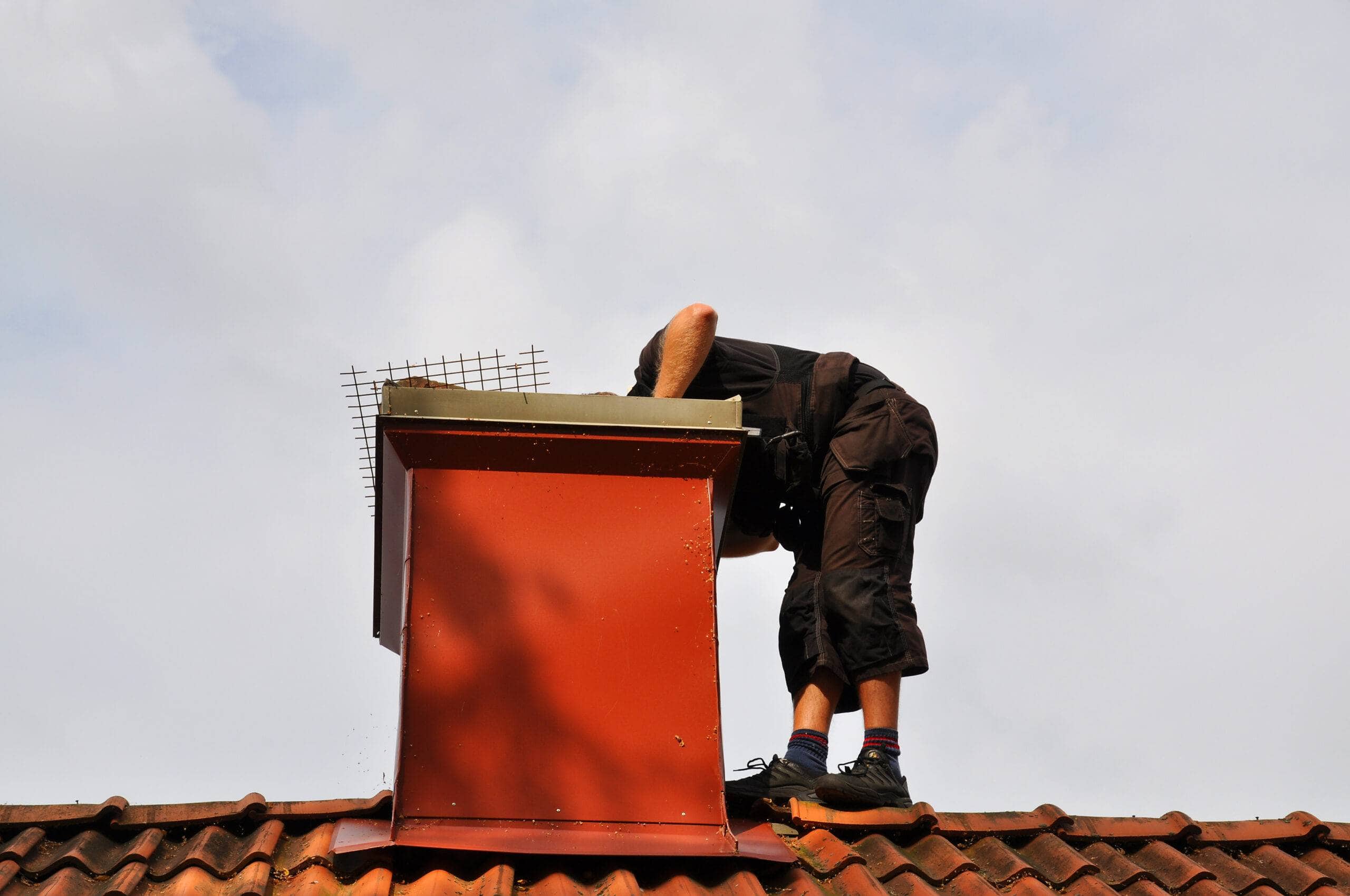
Creosote doesn’t accumulate at the same rate in every fireplace. Several factors accelerate the process, and most homeowners in Washington County and Providence County don’t realize they’re making things worse until we show them the damage.
Wet or unseasoned firewood tops the list. When wood hasn’t dried for at least six months—ideally a full year—it holds too much moisture. Burning it creates cooler, smokier fires that don’t combust completely. All those unburned particles? They’re traveling up your chimney and sticking to everything they touch.
Choking off your fire’s air supply does similar damage. If you’re closing your damper partway to “make the fire last longer,” you’re actually starving it of oxygen. The wood smolders instead of burning hot and clean. That incomplete combustion sends a continuous stream of creosote-forming smoke straight into your flue.
Your chimney’s location matters more than you’d think. Chimneys running along exterior walls—common in older Rhode Island homes—stay cooler than those built through the center of the house. Cooler flue temperatures mean more condensation, which translates to faster creosote buildup. Homeowners with exterior chimneys often need twice as many professional chimney sweeps per year as those with interior installations.
The wood species you choose affects buildup too. Softwoods like pine contain higher resin content, producing more creosote than hardwoods like oak or maple. And if you’re burning anything besides clean, dry firewood—treated lumber, cardboard, wrapping paper, or household trash—you’re introducing chemicals and accelerating deposits even faster.
Understanding these factors helps you burn smarter between professional chimney sweeping appointments. But even with perfect burning habits, creosote still accumulates. That’s why we recommend annual inspections and cleaning whenever buildup approaches that critical one-eighth inch threshold. This isn’t excessive caution. It’s preventing a problem that could cost thousands in repairs or endanger your family.
If you’ve never scheduled professional chimney sweeping, you might wonder what you’re paying for. It’s considerably more thorough than a DIY attempt with a hardware store brush, and the difference matters when it comes to safety.
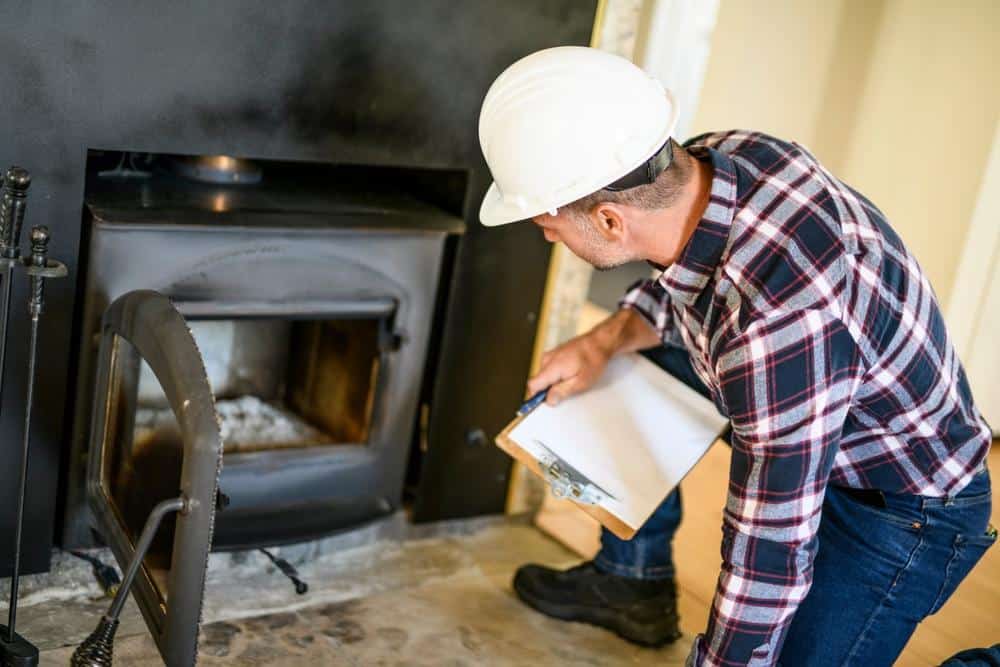
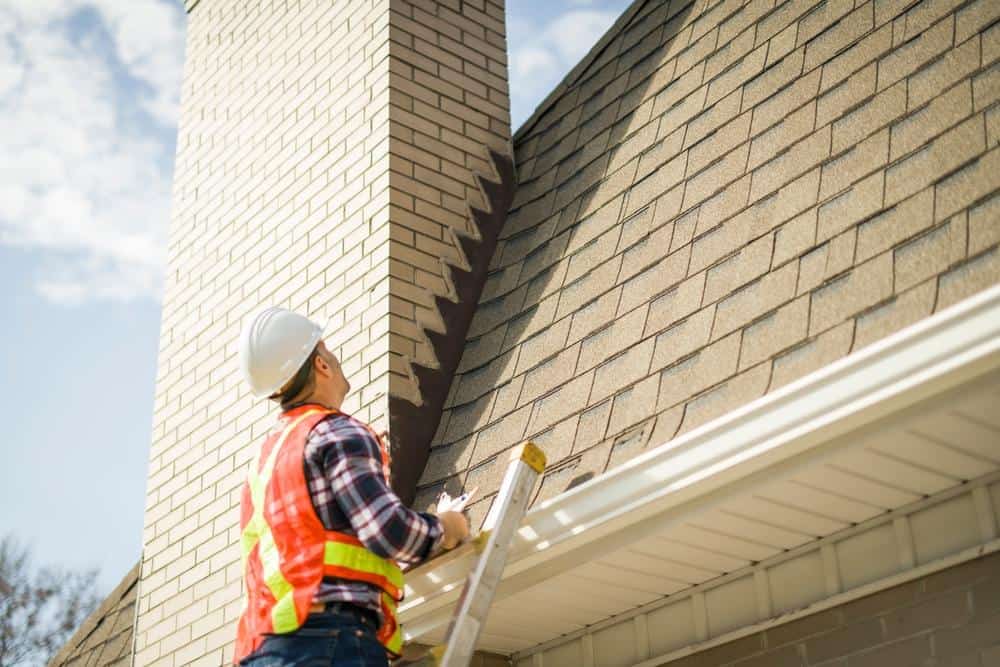
We start with a complete visual inspection. We’re assessing your chimney’s overall condition, identifying obvious damage, and evaluating how much creosote removal you need. This isn’t a quick glance. We’re trained to spot cracks in flue liners, deteriorating mortar joints, evidence of previous chimney fires, and structural issues that would escape most homeowners’ notice.
Once we understand what we’re working with, we protect your space. Drop cloths cover your floors and furniture. We seal off the fireplace opening and connect industrial-grade vacuum systems designed to capture every particle of soot and debris. This is why professional chimney sweeping doesn’t leave your living room looking like a coal mine.
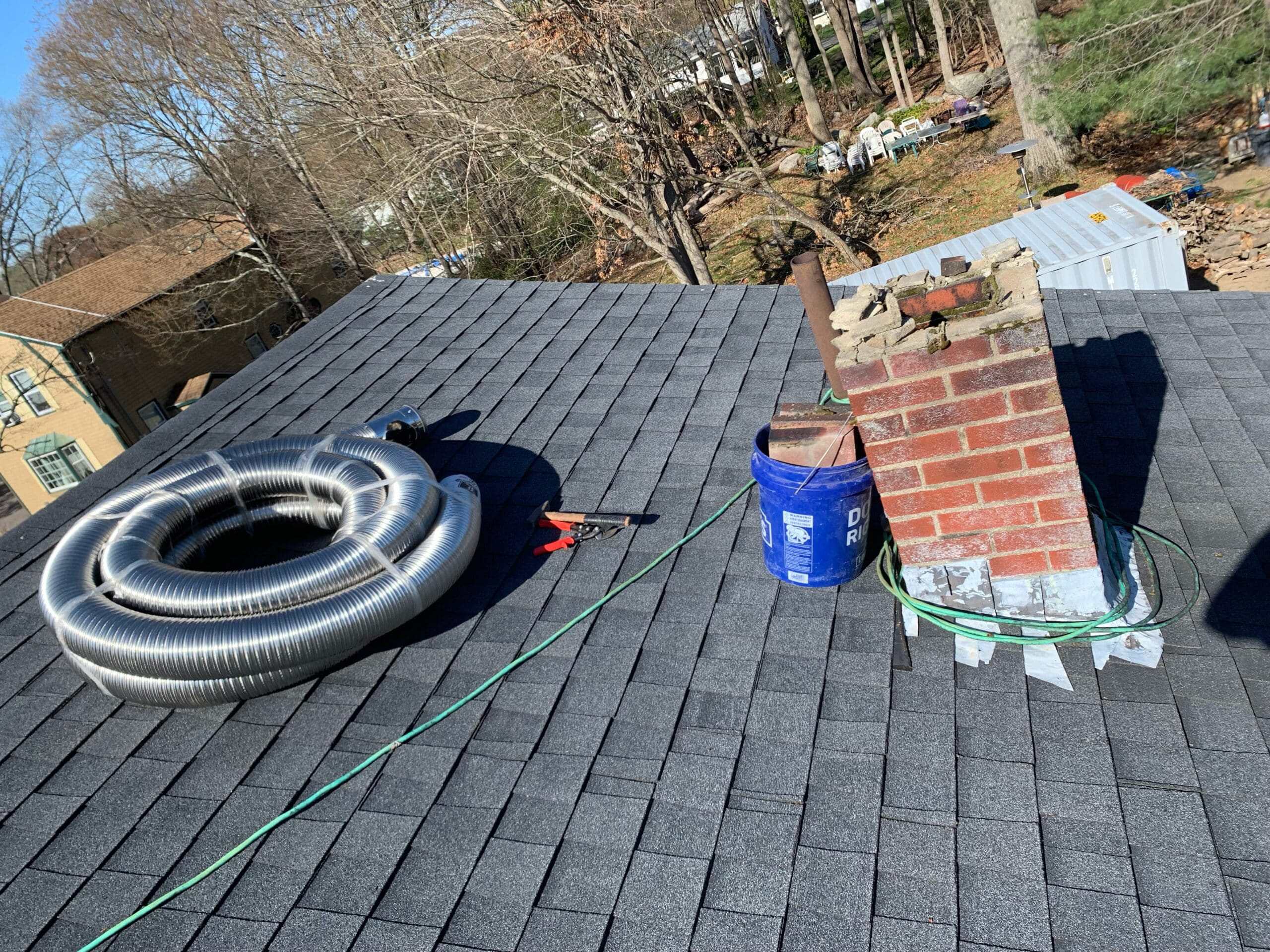
The actual cleaning uses specialized brushes matched to your specific chimney dimensions. Depending on accessibility, we’ll work from the roof down or from your fireplace up, systematically scrubbing creosote and soot from every surface of your flue. For light, early-stage creosote, mechanical brushing handles the job. But if you’re dealing with that hardened, glazed buildup, we’ll need chemical treatments or rotary tools to break it down safely.
Throughout the process, we’re checking for other problems. Bird nests blocking your flue. Animal debris restricting airflow. Damage to your chimney cap or crown. Damper issues. Water intrusion. All the hidden factors that affect how safely your fireplace operates and how efficiently it heats your home.
After completing the chimney cleaning, we explain what we found. We don’t just collect payment and disappear. We walk you through your chimney’s current condition, recommend any necessary repairs, and help you plan when to schedule your next service. If we’re using camera inspection equipment, you’ll see inside your own chimney and understand exactly what we’re describing.
Standard professional chimney sweeping takes 45 minutes to an hour. Heavy creosote removal or necessary repairs extend that timeline. But when the work’s finished, you have a chimney that’s safe to use and a clear understanding of its condition. That knowledge is worth considerably more than guessing and hoping you didn’t miss something dangerous.
Want live answers?
Connect with a Certified Chimney Inspections expert for fast, friendly support.
A clean chimney isn’t just safer—it’s dramatically more efficient. When creosote and soot clog your flue, your fireplace struggles to vent smoke and gases properly. You end up burning more wood to produce less heat, with most of that warmth escaping straight up the chimney instead of warming your Kent County or Bristol County home.
The efficiency numbers are striking. Traditional wood-burning fireplaces lose 70 to 90 percent of their heat up the chimney when they’re poorly maintained. Just a thin soot layer can cut heat output by half. You’re literally watching your heating budget disappear into thin air.
Regular professional chimney sweeping fixes this waste. Clear airflow allows complete combustion. You get hotter fires that generate more usable heat from less fuel. Your fireplace draws correctly, pulling smoke up the chimney instead of pushing it back into your living space. And your central heating system doesn’t have to compensate for an inefficient fireplace.
Beyond cleaning, your burning technique makes a real difference. Properly seasoned hardwood reduces creosote formation and burns far more efficiently than wet or softwood. Keeping your damper fully open during fires ensures adequate oxygen for complete combustion. Building smaller, hotter fires instead of large smoldering ones minimizes smoke while maximizing heat output.
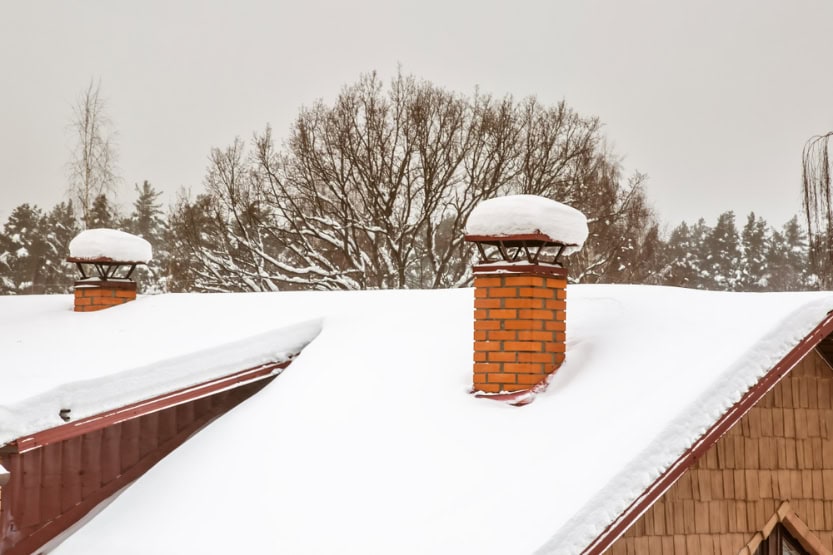
More Rhode Island homeowners are asking about eco-friendly chimney cleaning methods, and the question makes sense. Traditional chemical cleaners release harsh fumes and leave toxic residues throughout your home. The encouraging news? Effective alternatives exist that match conventional methods without the environmental damage.
We increasingly rely on biodegradable cleaning products formulated from natural ingredients. These enzyme-based solutions break down organic material like creosote, soot, and tar without harsh chemicals. They’re safe for indoor air quality and don’t contaminate soil or groundwater when properly disposed of.
Mechanical cleaning tools—chimney brushes and extension rods—are inherently eco-friendly since they physically remove buildup without any chemicals whatsoever. Paired with HEPA-filter vacuums that capture microscopic particles, this approach keeps your home’s air clean throughout the chimney cleaning process.
We also use natural solutions like baking soda and vinegar for lighter maintenance work. These common household products effectively clean soot and grime from fireplace surfaces without introducing toxins into your living space. While they’re not powerful enough for heavy creosote removal, they work well for routine upkeep between professional services.
The most eco-friendly approach, though, remains prevention. Burning seasoned hardwood generates significantly less creosote than wet or softwood. Maintaining proper airflow creates complete combustion, reducing both emissions and buildup. And staying current with annual professional chimney sweeping prevents the need for aggressive chemical treatments later.
If environmental impact concerns you, ask us about our methods. We readily explain what products we use and offer greener alternatives when requested. We’ve moved toward these approaches because we understand that protecting your Newport County or Washington County home and protecting the environment aren’t competing priorities.
If you heat with a wood stove rather than a traditional fireplace, you’ve already chosen a more efficient heating method. Modern wood stoves burn fuel more completely and direct more heat into your living space. But they also demand specific maintenance beyond standard chimney sweeping.
Wood stoves generate higher creosote levels because people use them more frequently and for extended periods. If you’re burning your stove daily throughout Rhode Island’s heating season, you’re creating a constant stream of combustion byproducts. That means your chimney needs professional attention at least annually, possibly more depending on usage intensity.
The connector pipes linking your stove to your chimney deserve particular attention. These pipes aren’t engineered to survive chimney fire temperatures. During a blaze, they warp, buckle, or completely separate, allowing fire and smoke to spread throughout your home. Regular inspection of these connections isn’t optional—it’s critical for safety.
Pellet stoves carry their own maintenance requirements. While they typically produce less creosote than traditional wood stoves, they need more frequent cleaning of internal mechanisms. Ash accumulation affects performance, and mechanical components like the auger and blower require regular attention to maintain efficient operation.
One common wood stove mistake is overloading the firebox. Homeowners want overnight burns, so they pack in maximum wood and restrict the air intake. This creates low, smoldering fires that generate massive creosote deposits. It’s smarter to let the fire burn out and restart it in the morning than to create conditions that accelerate dangerous buildup.
Professional wood stove maintenance includes sweeping the stovepipe, cleaning the firebox thoroughly, checking door gaskets for proper sealing, and inspecting the baffle system. These components work together to ensure safe, efficient operation. When any element fails, the entire system’s performance suffers.
If your wood or pellet stove provides primary heat for your Providence County or Bristol County home, consider scheduling inspections twice yearly—once before heating season begins and once midway through winter. The modest investment in preventive maintenance costs far less than addressing chimney fire damage or replacing destroyed components. Plus, you’ll get better heating performance when everything’s clean and functioning correctly.
Your fireplace should bring warmth and comfort to your home, not anxiety and unexpected expenses. The difference between a safe, efficient system and a hazardous one usually comes down to consistent maintenance and recognizing warning signs before they become emergencies.
Creosote buildup happens gradually, but it happens. Every fire adds to it. The key is staying ahead of the problem with annual inspections and professional chimney sweeping before deposits reach dangerous levels. We bring the training, specialized equipment, and experience to identify issues you’d never spot on your own—and address them before they turn into costly emergencies.
Beyond professional service, how you use your fireplace directly impacts safety and efficiency. Burning seasoned hardwood, maintaining adequate airflow, and building hot fires instead of smoldering ones all reduce creosote formation while improving heating performance. Small adjustments to your burning habits can significantly affect how often you need cleaning and how well your fireplace performs throughout Rhode Island’s cold months.
If it’s been over a year since your last chimney inspection, or if you’re noticing warning signs—smoke backing up, persistent odors, visible soot buildup, or weak draft—don’t wait for the problem to worsen. We’ve served Rhode Island homeowners for over two decades, helping families across Bristol County, Kent County, Newport County, Providence County, and Washington County maintain safe, efficient fireplaces. Our CSI-certified technicians use professional-grade equipment and eco-friendly methods to ensure your chimney is in excellent condition, and we take time to explain our findings so you can make informed decisions about your home’s safety.
Continue learning: