Your Rhode Island fireplace can go from cold and unused to safe, beautiful, and efficient. See how professional restoration transforms outdated hearths across Providence, Newport, Bristol, Kent, and Washington counties.
Summary:
That fireplace could be where your family gathers on cold Rhode Island nights. Right now it’s probably just sitting there—unused, maybe unsafe, definitely not the focal point it could be.
You’re not the only one wondering if it can even be fixed. Cracked bricks, smoke backing into the room, mortar crumbling away, or just years of neglect. It looks overwhelming.
Fireplace restoration brings these systems back to life. Structurally sound, safe to use, often more beautiful than when they were built. Here’s what that process actually involves and what you need to know before reaching out for help.
Restoration isn’t a cleaning or a quick patch job. It’s bringing your entire fireplace system back to proper working condition—function and appearance both.
This means structural repairs to your firebox, damper, and chimney liner. Masonry work like tuckpointing deteriorated joints and replacing damaged bricks. Cosmetic improvements that turn your fireplace into something you’re proud to show off instead of trying to hide.
Rhode Island homes face challenges most other places don’t. Salt air from the coast speeds up deterioration. Freeze-thaw cycles crack mortar and brick. Older homes across Providence County, Newport County, and beyond often lack proper liners entirely. These problems affect safety and efficiency—they’re not cosmetic issues you can ignore.

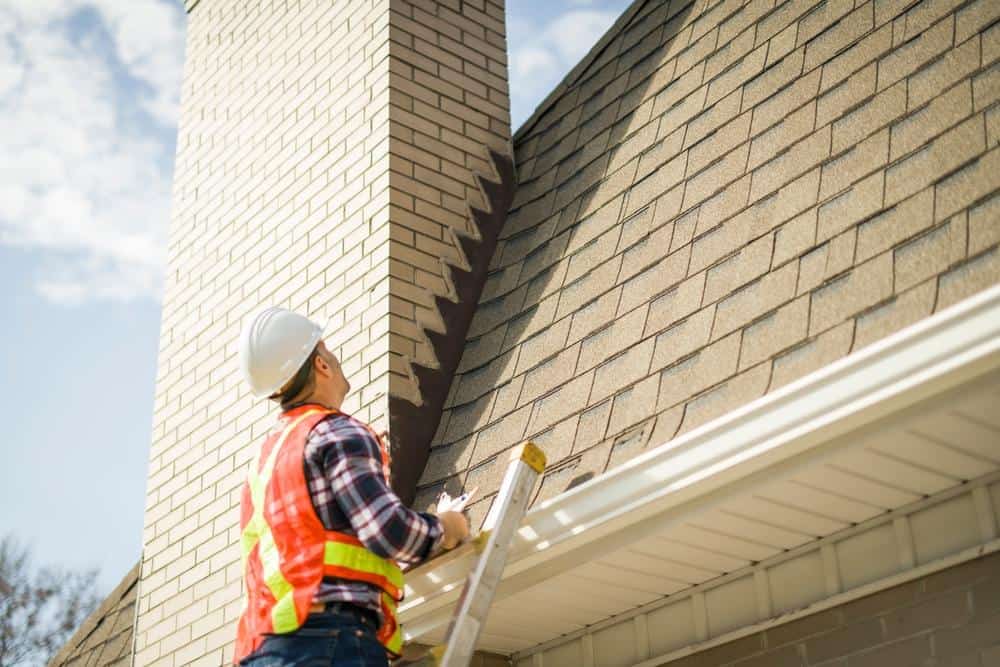
Every restoration we do starts with inspection. Our CSI-certified technicians examine your entire system—firebox, damper, flue liner, smoke chamber, crown, and exterior masonry. We’re checking for cracks, deterioration, water damage, and whether everything meets current safety codes.
You get a clear assessment of what needs work and why. Not every fireplace needs everything. Some need firebox repointing and a new damper. Others require liner installation, crown rebuilding, and extensive masonry fireplace reconstruction.
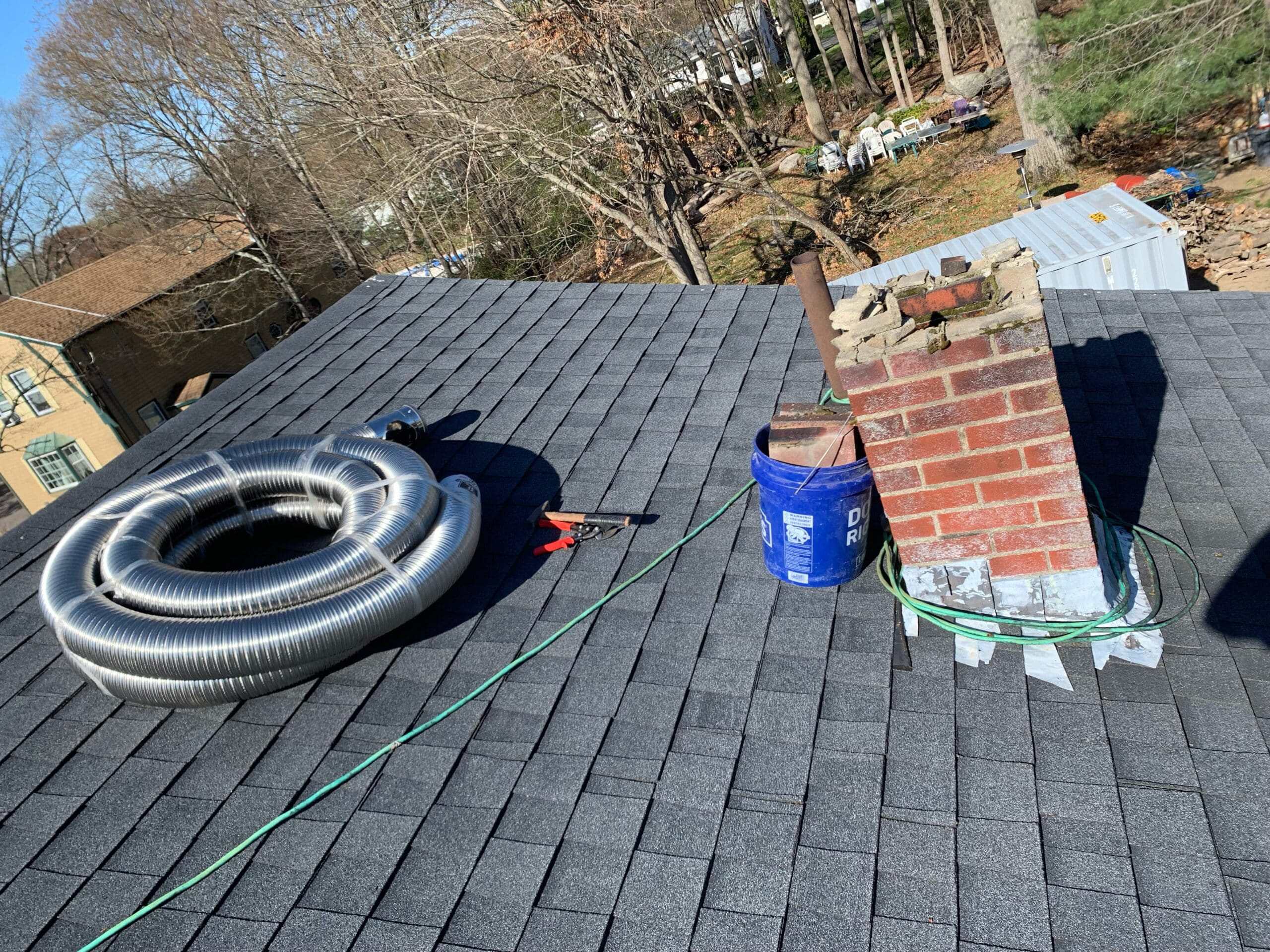
Restoration happens in stages. Structural repairs come first because they determine safety and function. Installing or repairing the chimney liner. Rebuilding damaged firebox sections. Fixing the smoke chamber. Addressing crown or flashing problems that let water destroy your masonry from the inside out.
Then come the aesthetic upgrades—your fireplace facelift. Tuckpointing removes old, failed mortar and replaces it with fresh material that matches your existing work. Damaged bricks get swapped out. The hearth gets restored or upgraded with new tile, stone, or whatever fits your home’s style.
Your home stays protected throughout. Drop cloths, careful debris management, complete cleanup. Most projects across Bristol County, Kent County, and Washington County take three to seven days depending on scope. Simple cosmetic work finishes in two to three days. Complete structural rebuilds can take two weeks.
What you end up with works the way it should. Safe, efficient, and usually better looking than it’s been in decades. Real restoration addresses root problems instead of covering them up, which means you’re not calling someone back next year to fix the same issues again.
Rhode Island has some of the country’s oldest homes. Colonial hearths, Federal-style fireplaces, Victorian mantels—these aren’t just heating systems. They define your home’s character and connect you to centuries of New England history.
Historic fireplace repair demands different expertise than modern systems. The construction methods were different. Materials were different. And the goal isn’t just making it work—it’s preserving original character while meeting current safety standards.
Many historic fireplaces built before 1922 don’t have chimney liners at all. That’s dangerous. Modern codes require liners because they protect your home’s structure from extreme heat and stop combustion gases from seeping into your living spaces.
But you can’t just drop a standard stainless liner into an old chimney. Historic chimneys often have odd-shaped flues, narrow passageways, or sharp bends. Sometimes the flue was designed too small for the fireplace opening.
Proper historic restoration uses techniques that work with original construction. Specialized ceramic sealants that strengthen interiors without changing flue dimensions. Carefully removing interior divider walls to create proper venting space. Modern safety and efficiency without destroying what makes your fireplace special.
Masonry work requires the same care. Replacement bricks should be reclaimed materials from the same period—not modern bricks that don’t match. Mortar composition and color need to match the original. Even pointing style matters for historical accuracy.
This level of restoration preserves what makes your Rhode Island fireplace unique while ensuring you can actually use it safely. You get warmth and ambiance without wondering if you’re risking your family’s safety.
Want live answers?
Connect with a Certified Chimney Inspections expert for fast, friendly support.
Not every damaged fireplace needs complete reconstruction. Sometimes targeted repairs solve the problem. Other times, partial or full reconstruction is the only safe choice.
The difference comes down to extent and location of damage. Minor cracks, some mortar deterioration, a few spalling bricks, missing caps—these usually qualify for repairs. You’re fixing specific problems without rebuilding everything.
Reconstruction becomes necessary with major structural issues. Leaning chimneys. Significant foundation problems. Extensive water damage throughout the masonry. Systems so far out of code that bringing them into compliance means starting over.
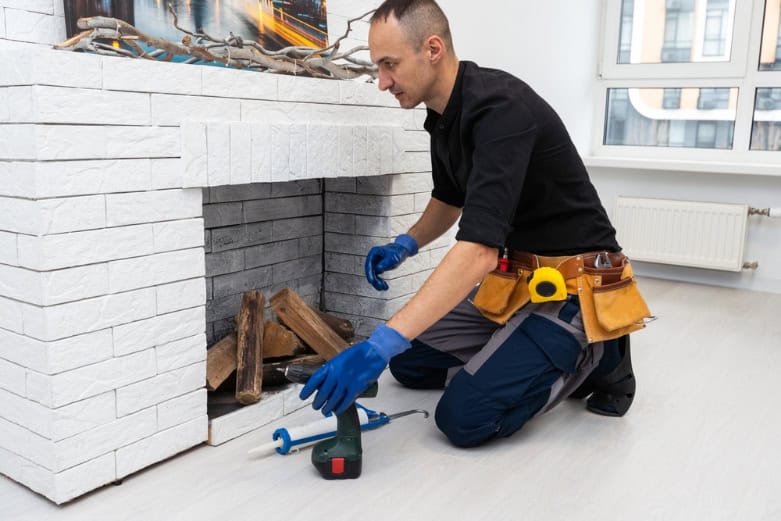
Firebox repairs address where fire actually burns. Extreme heat cracks firebrick and deteriorates refractory mortar over time. Loose bricks or joints eroded back more than half an inch mean it’s time for work.
Repair involves removing damaged materials and replacing them with proper heat-resistant firebrick and refractory mortar. Detailed work—everything fits precisely and cures properly to handle the temperatures your fireplace generates. Firebox repairs typically run $160 to $750 depending on severity.
Damper repair or replacement fixes draft and efficiency problems. Your damper should seal tight when closed and open fully when burning. Rusted, warped, or stuck dampers waste heat up the chimney even when you’re not using the fireplace. Replacement usually costs $150 to $800.
Tuckpointing repairs deteriorated mortar joints throughout your chimney and fireplace. Damaged mortar gets removed to about half to three-quarters inch deep. Fresh mortar fills gaps, restoring structural integrity and stopping water intrusion. Proper tuckpointing extends your chimney’s life by decades and dramatically improves appearance. Costs typically run $4 to $25 per square foot.
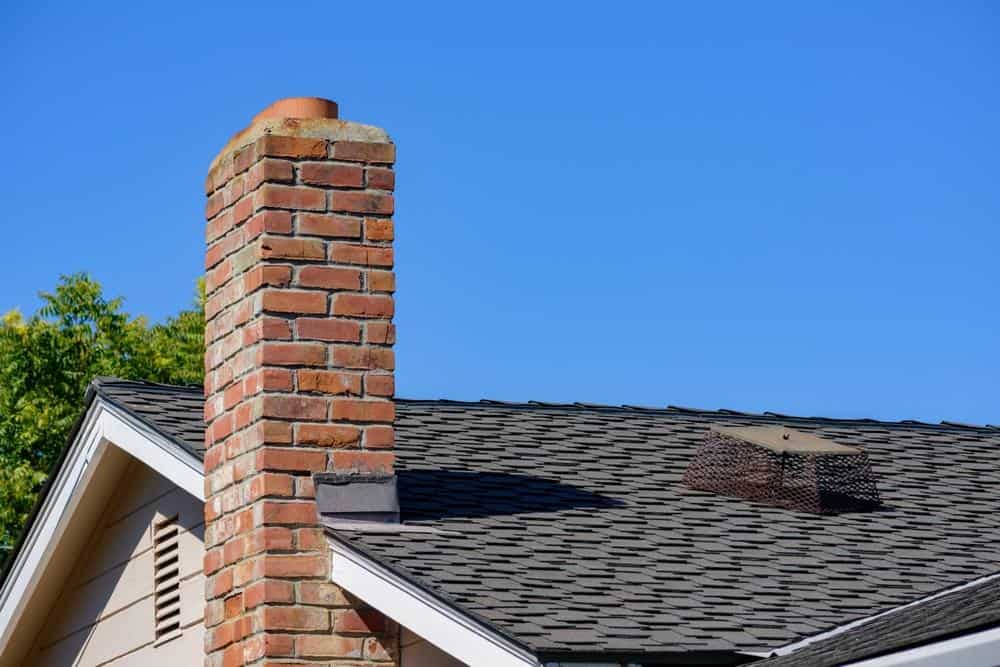
Crown repair addresses the concrete cap at your chimney’s top. Cracks let water into the chase, causing extensive damage. Small cracks can be sealed with specialized waterproof products. Larger damage requires rebuilding the crown.
Flashing repair stops leaks where chimney meets roof—one of the most common water damage sources. Metal flashing creates a watertight seal, but it rusts, loosens, or gets damaged. Proper repair uses durable materials and correct sealing methods that hold up to Rhode Island’s coastal weather.
These repairs address specific problems before they become major issues. Catching deterioration early across Providence, Newport, or any Rhode Island county means spending hundreds or a few thousand instead of tens of thousands on reconstruction.
Masonry fireplace reconstruction means partially or completely rebuilding your chimney and fireplace system. Significant project, but sometimes it’s the only option that makes sense.
Reconstruction becomes necessary when structural integrity is compromised. Leaning chimneys pose immediate danger—bricks can fall causing property damage or injury. Foundation settling affecting chimney structure. Extensive freeze-thaw damage throughout masonry beyond what targeted repairs can address.
Major code violations also trigger reconstruction needs. If your system doesn’t meet current safety standards and can’t be brought into compliance through repairs, rebuilding becomes necessary. Common with very old chimneys lacking liners, having inadequate clearances, or built using methods that don’t meet modern requirements.
Water damage is another reconstruction trigger. When water enters your chimney for years through damaged crowns, failed flashing, or deteriorated masonry, damage compounds. Moisture causes efflorescence—that white staining on brick. Accelerates mortar deterioration. Leads to spalling where brick faces flake off.
With extensive water damage, patching individual areas doesn’t work. You’re chasing problems appearing in new spots. Reconstruction addresses the entire compromised system at once.
The process involves careful demolition of damaged sections, often to the roofline or further depending on damage extent. New masonry goes up using modern materials and techniques meeting current codes. Proper liner installation. Correctly built crown and cap. Flashing done right.
Reconstruction costs more than repairs—often over $10,000 depending on scope. But you get a chimney and fireplace system built to last decades, not a patched structure developing new problems. And if your existing system is dangerous, reconstruction isn’t optional.
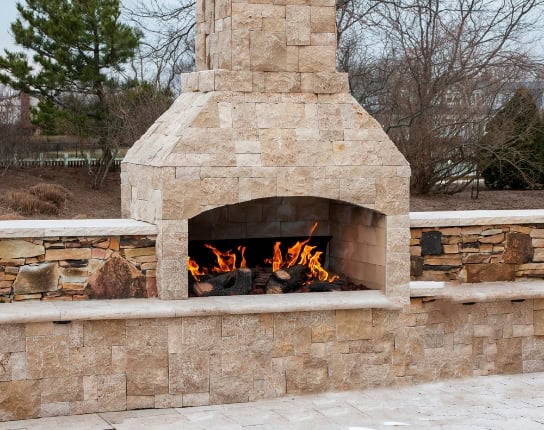
Your fireplace doesn’t have to stay cold and unused. Whether dealing with minor repairs or considering complete hearth remodeling, the first step is getting proper assessment from someone who knows what they’re looking at.
Look for CSI-certified technicians who understand Rhode Island’s specific challenges—coastal weather, historic construction, local codes across all five counties. You want experience with both structural repairs and aesthetic chimney upgrades. Someone who gives straight answers about what your system needs and why.
Most restoration projects pay for themselves through increased home value, improved efficiency, and years of reliable use. More importantly, you get peace of mind knowing your fireplace is safe and a focal point you can actually enjoy.
We’ve served Rhode Island homeowners since 2000 with CSI-certified technicians, comprehensive restoration services, and free estimates to help you understand exactly what your fireplace needs.
Continue learning: